


Best cities in Australia for UK expats in 2026
For UK movers, the best places to live in Australia are Sydney, Melbourne and Brisbane. Deciding to move to Australia from the UK is one thing. Deciding where in Australia is an entirely separate headache. The country is roughly 32 times the size of the UK, and the difference between living in Perth and living in Melbourne is about as stark as the difference between living in Edinburgh and living in Athens.
This guide covers eight cities where British expats settle most often. For each one, you get the honest pros and cons, realistic monthly costs, the industries that drive the local job market and a quick verdict on who each city suits best. No rankings. No “best city” declaration. Just the information you need to pick the right place for your situation.
If you are still at the earlier planning stage, start with our complete guide to moving to Australia from the UK for visas, timelines and the full picture.
1. Sydney
Australia’s largest city and its unofficial business capital. Home to 5.3 million people, Sydney is where most international flights land, most multinational offices sit and most British expats start their search. The harbour, the Opera House and Bondi Beach are the postcards, but daily life in Sydney is defined more by traffic, ambition and a cost of living that makes London look reasonable in places.
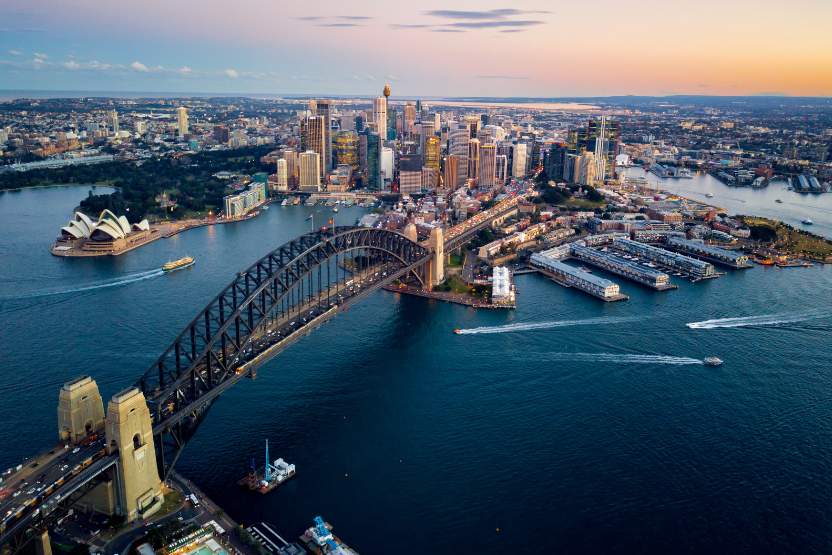
Who Sydney suits
Career-focused professionals in finance, tech, law and creative industries. Couples and singles with strong earning power who want a fast-paced city with world-class dining, nightlife and cultural events. Not ideal for families on a single income or anyone prioritising affordability.
What you will earn and spend
Average salaries in Sydney sit around AUD 90,000 to 95,000 per year, the highest in Australia. A single person can expect monthly living costs (excluding rent) of around AUD 3,500 to 4,500. A one-bedroom apartment in the city centre averages AUD 2,800 to 3,200 per month; move to the outer suburbs and that drops to AUD 1,800 to 2,200.
Key industries
Finance, professional services, technology, healthcare, creative and media. Sydney is also the gateway for roles with Asia-Pacific regional responsibilities.
|
Pros |
Cons |
|
|
2. Melbourne
Australia’s second city and its cultural capital. Melbourne consistently ranks among the world’s most liveable cities, and it is the Australian city that feels most like Europe to British arrivals. Laneways, coffee culture, street art, four distinct seasons and a sports calendar that rivals any city on the planet.
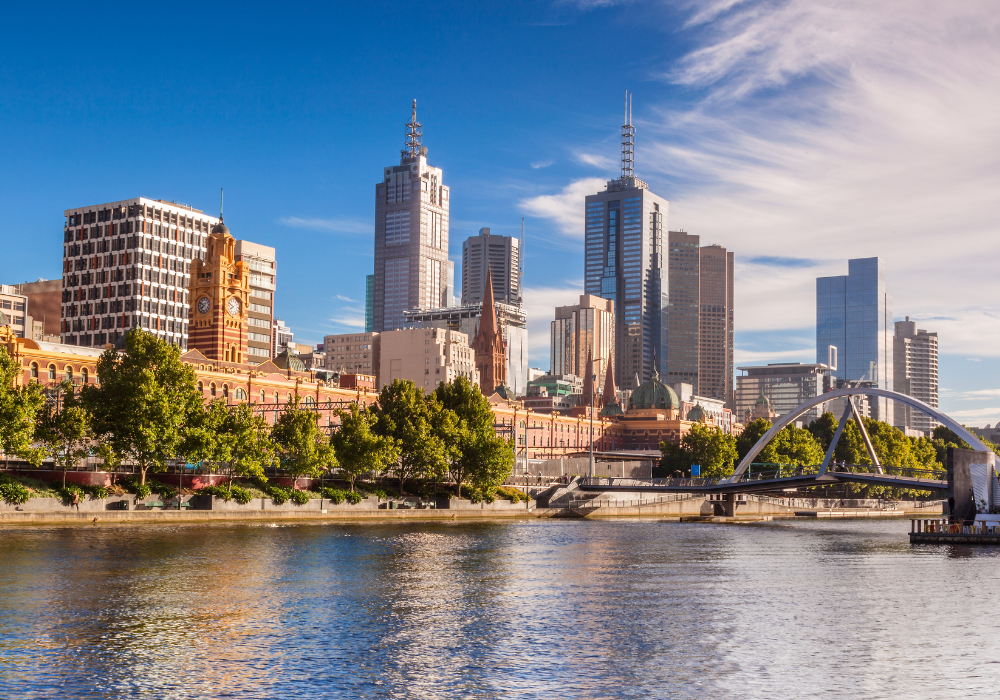
Who Melbourne suits
Culture lovers, creatives, young professionals and families who want a cosmopolitan lifestyle without Sydney’s price tag. Melbourne also has the largest British expat community in Australia, so finding fellow Brits is straightforward. For a broader look at the cultural adjustments, read our guide to UK vs Australian lifestyle differences.
What you will earn and spend
Average salaries sit around AUD 85,000 to 90,000 per year. Monthly living costs (excluding rent) average AUD 3,000 to 3,800. City-centre one-bedroom apartments average AUD 2,200 to 2,800 per month; outer suburbs drop to AUD 1,500 to 1,900.
Key industries
Healthcare, education, professional services, IT and creative industries. Melbourne is also Australia’s medical research hub.
|
Pros |
Cons |
|
|
3. Brisbane
Queensland’s capital is the city that has changed the most in the past decade. The 2032 Olympic Games are driving billions in infrastructure investment, and Brisbane has gone from a sleepy overgrown town to a genuine contender for expats who want sunshine, space and a city that is growing into something bigger. If you are moving to Australia with a family, Brisbane deserves serious consideration.
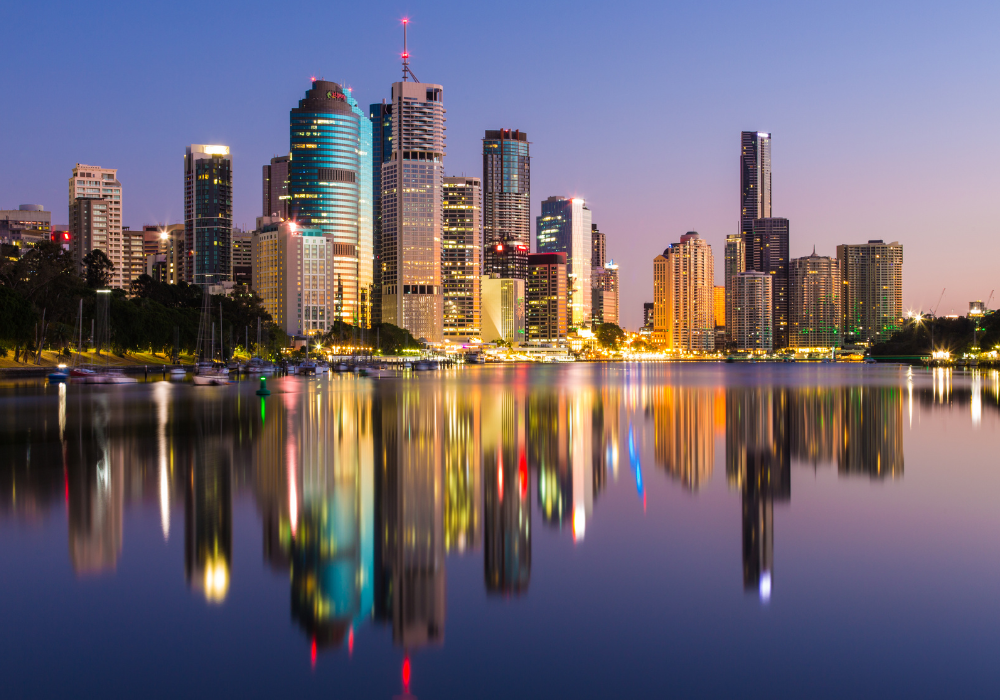
Who Brisbane suits
Families, outdoor enthusiasts and anyone who values a relaxed pace without giving up city amenities. Also increasingly attractive to healthcare professionals, educators and anyone in the tourism and hospitality sectors. Young professionals looking for more affordable entry into the Australian property market.
What you will earn and spend
Average salaries sit around AUD 75,000 to 85,000. Monthly living costs (excluding rent) average AUD 2,500 to 3,200. City-centre one-bedroom apartments average AUD 2,000 to 2,400; outer suburbs AUD 1,400 to 1,800. Housing is approximately 35 per cent cheaper than Sydney.
Key industries
Healthcare, education, tourism, construction (Olympics-related boom) and a growing technology start-up scene.
|
Pros |
Cons |
|
|
4. Perth
On the opposite side of the country, Perth sits closer to Singapore than to Sydney. It is Australia’s most geographically isolated major city, and that isolation defines the experience: stunning Indian Ocean beaches, a booming resources sector, high salaries and a sense of being in a world of your own. Perth shares a time zone with 60 per cent of the world’s population, which makes it a surprisingly strong base for anyone with business ties to Asia.
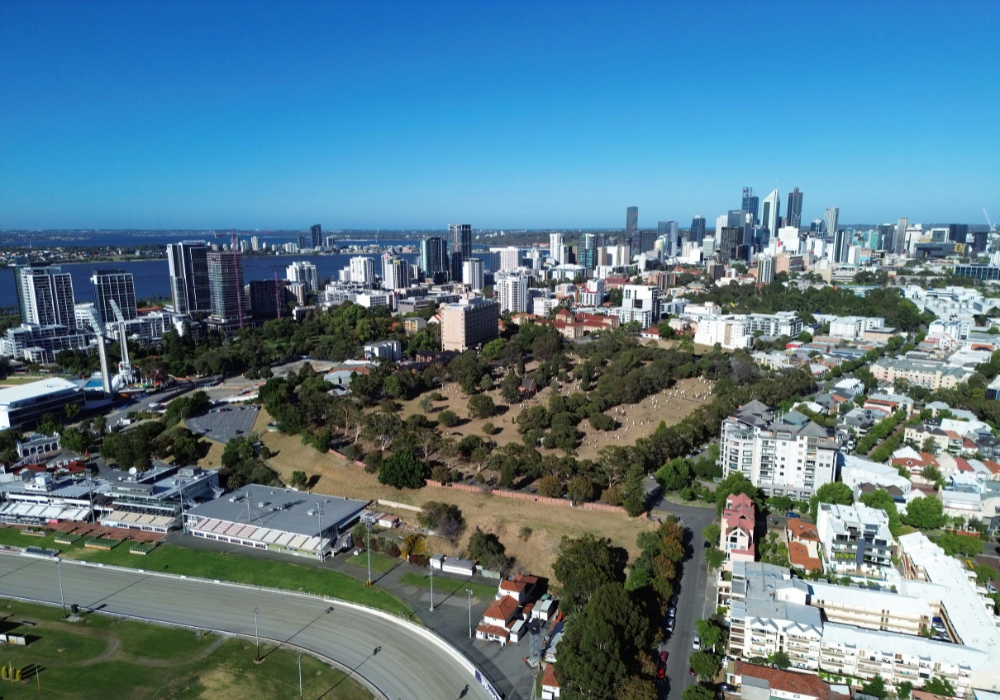
Who Perth suits
Engineers, mining professionals, healthcare workers and anyone chasing high wages relative to cost of living. Also excellent for families who want beach lifestyle, good schools and a slower pace without compromising on salary.
What you will earn and spend
Average salaries are around AUD 85,000 to 90,000, boosted by the resources sector where six-figure salaries are common. Monthly living costs (excluding rent) average AUD 2,400 to 3,000. City-centre one-bedroom apartments average AUD 1,800 to 2,200; outer suburbs AUD 1,300 to 1,700.
Key industries
Mining, energy, engineering, healthcare and a growing technology sector. Corporate mining operations are headquartered in Perth even when the mines are hundreds of kilometres away.
| Pros |
Cons |
|
|
5. Adelaide
South Australia’s capital is often called the “20-minute city” because you can drive from one side to the other in roughly that time. It is the most affordable of Australia’s major capitals, and it is the city that most British arrivals say feels most like home. The architecture, the green spaces, the pace of life and the proximity to world-class wine regions all contribute to a distinctly European flavour.
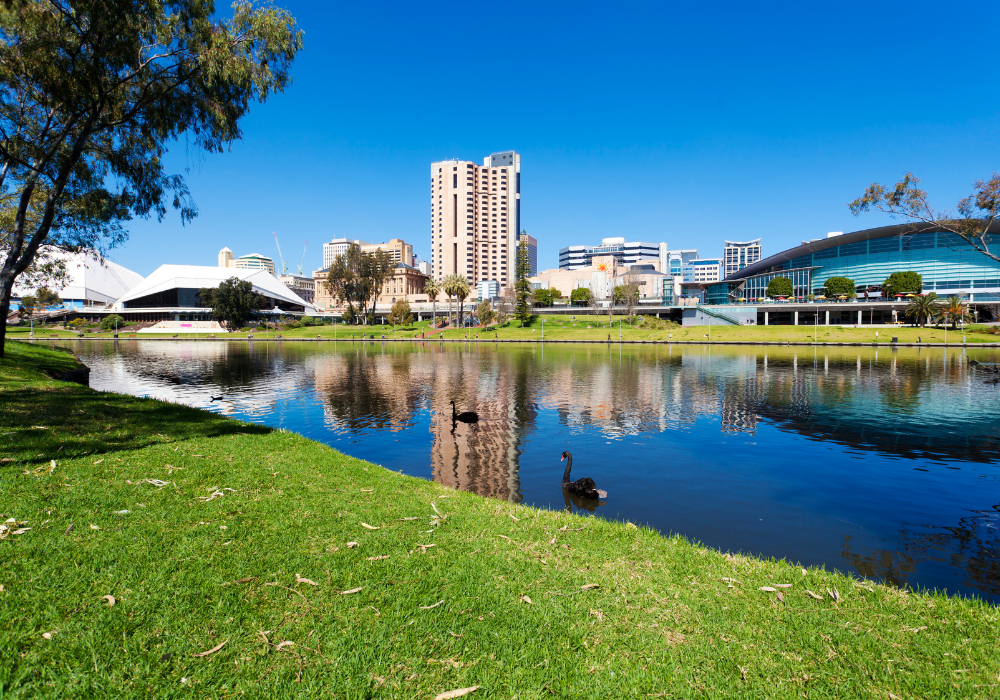
Who Adelaide suits
Families on a moderate budget, retirees, food and wine enthusiasts and anyone who wants a high quality of life without the price tag of the east coast. Also increasingly attractive for defence industry professionals, with major naval shipbuilding contracts based here.
What you will earn and spend
Average salaries sit around AUD 70,000 to 80,000. Monthly living costs (excluding rent) average AUD 2,200 to 2,800. City-centre one-bedroom apartments average AUD 1,500 to 1,900; outer suburbs AUD 1,100 to 1,500. Adelaide is 25 to 30 per cent cheaper than Sydney for day-to-day expenses.
Key industries
Defence (naval shipbuilding), healthcare, education, wine and agribusiness, and a growing innovation and technology hub centred around the Lot Fourteen precinct.
|
Pros |
Cons |
|
|
6. Gold Coast
Technically not a capital city, but the Gold Coast attracts enough British movers to earn a spot in any honest guide. Stretching south of Brisbane along 57 kilometres of coastline, the Gold Coast is Australia’s playground: surfing, theme parks, high-rise beachfront apartments and a tourism-driven economy. It is a very different proposition to the other cities on this list.
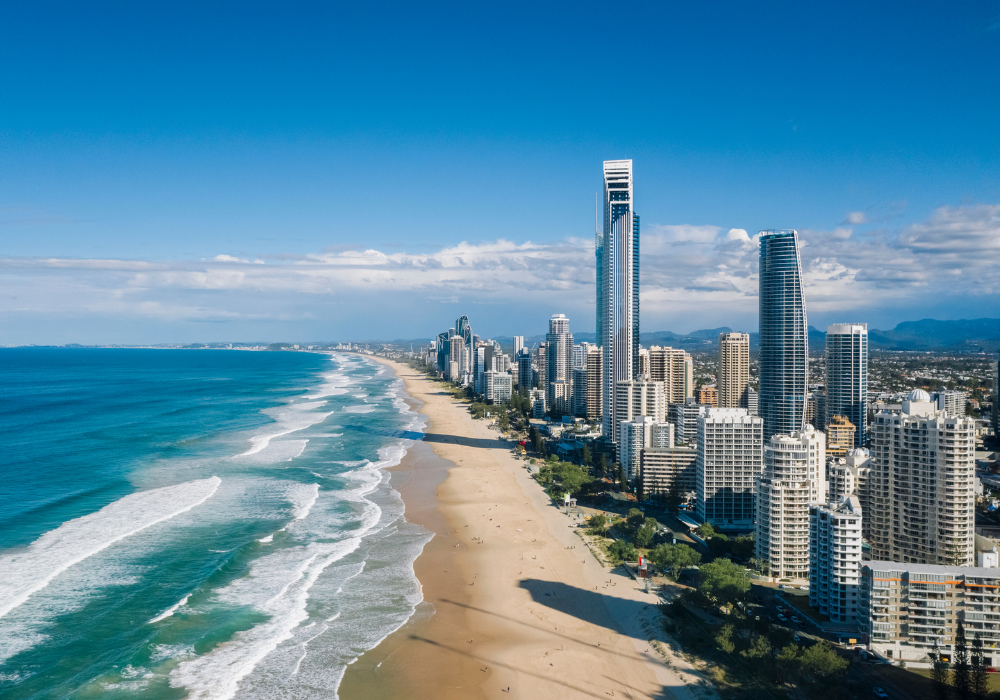
Who Gold Coast suits
Retirees, hospitality workers, surf enthusiasts and anyone whose lifestyle priorities centre on beach access, sunshine and a relaxed pace. Also suits remote workers and digital professionals who do not need to be in a specific city for their job.
What you will earn and spend
Salaries tend to be lower than the capitals, averaging AUD 65,000 to 75,000, with tourism and hospitality dominating. Monthly living costs (excluding rent) average AUD 2,400 to 3,000. Beachfront apartments command a premium, but a short drive inland brings costs down significantly.
| Pros |
Cons |
|
|
7. Hobart
Tasmania’s capital is the smallest city on this list and the one that surprises British visitors the most. Hobart has a creative energy that punches well above its population of around 250,000. The food scene is outstanding, the natural environment is dramatic, and the cost of entry is the lowest of any Australian capital. It also has four proper seasons and the closest thing to British weather you will find in Australia.
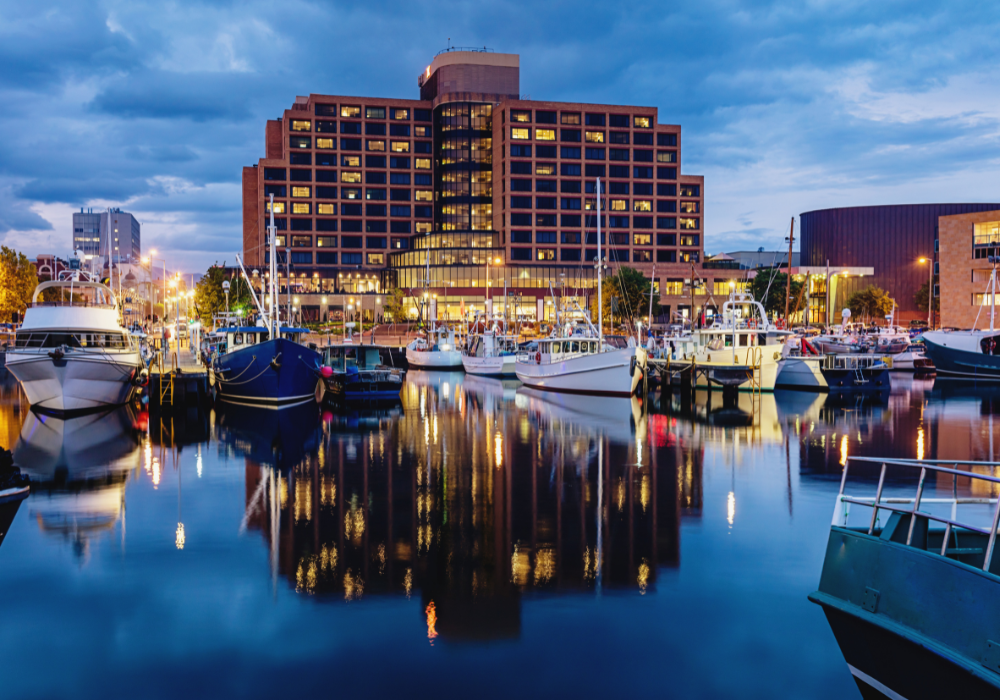
Who Hobart suits
Creatives, nature lovers, retirees and anyone who wants a small-city feel with genuine character. Also suits remote workers and anyone in healthcare or education. Not ideal if you need a large corporate job market or regular international flights.
What you will earn and spend
Average salaries are among the lowest nationally at around AUD 65,000 to 75,000. Monthly living costs (excluding rent) average AUD 2,100 to 2,600. Rent is rising but still well below mainland capitals. A one-bedroom city apartment averages AUD 1,400 to 1,800.
| Pros |
Cons |
|
|
8. Canberra
Australia’s actual capital is the city most people overlook, and that is partly what makes it attractive for the right person. Canberra is a planned city built around government, education and research. It is green, spacious, orderly and quietly prosperous. If you work in policy, public administration, education or research, Canberra offers a quality of life that is hard to match.
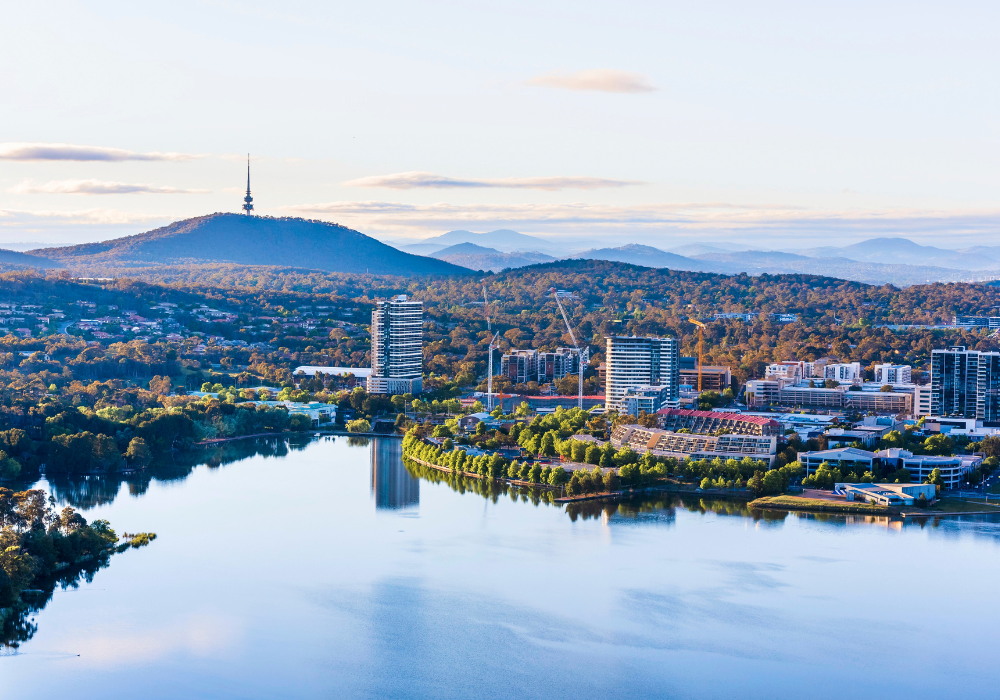
Who Canberra suits
Government workers, academics, researchers and families who want excellent schools, large homes and a stable property market. Also suits anyone who enjoys outdoor activities, as Canberra is surrounded by national parks and is within easy driving distance of both Sydney and the NSW ski fields.
What you will earn and spend
Average salaries are strong at around AUD 85,000 to 95,000, reflecting the high proportion of professional and government roles. Monthly living costs (excluding rent) average AUD 2,600 to 3,200. Property is more affordable than Sydney and comparable to Melbourne’s outer suburbs.
|
Pros |
Cons |
|
|
City-by-city comparison at a glance
| City | Avg salary (AUD) | 1-bed rent city (AUD/mth) | Monthly costs excl rent (AUD) | Climate | Best for | Biggest drawback |
|---|---|---|---|---|---|---|
| Sydney | 90,000-95,000 | 2,800-3,200 | 3,500-4,500 | Warm, humid summers |
Career, salary, diversity | Cost of living |
| Melbourne | 85,000-90,000 | 2,200-2,800 | 3,000-3,800 | Four seasons, unpredictable | Culture, arts, coffee | Weather variability |
| Brisbane | 75,000-85,000 | 2,000-2,400 | 2,500-3,200 | Subtropical, 283 sunny days |
Families, outdoor life | Summer humidity |
| Perth | 85,000-90,000 | 1,800-2,200 | 2,400-3,000 | Hot, dry Mediterranean |
Mining, salary, beaches | Isolation |
| Adelaide | 70,000-80,000 | 1,500-1,900 | 2,200-2,800 | Mediterranean, warm | Affordability, families | Smaller job market |
| Gold Coast | 65,000-75,000 | 1,800-2,400 | 2,400-3,000 | Subtropical, beach weather |
Retirees, surf, remote work | Limited career paths |
| Hobart | 65,000-75,000 | 1,400-1,800 | 2,100-2,600 | Four seasons, cool winters |
Creatives, nature, value | Small job market |
| Canberra | 85,000-95,000 | 1,900-2,400 | 2,600-3,200 | Continental, cold winters |
Government, research, families | Limited nightlife |
5 tips for choosing the right Australian city
- Match the city to your industry first. The best lifestyle means nothing if you cannot find work in your sector. Sydney dominates finance and tech. Perth dominates mining. Melbourne leads in healthcare research. Brisbane is growing across the board but strongest in healthcare, education and construction.
- Visit before you commit if you possibly can. A two-week scouting trip to your top two choices will tell you more than months of online research. Stay in a suburban area, not a hotel in the city centre, to get a feel for real daily life.
- Factor in the flight home. If staying connected to family in the UK matters, the east coast cities (Sydney, Melbourne, Brisbane) offer more frequent and slightly shorter flight options than Perth. This sounds minor until you are pricing a family of four for Christmas flights.
- Budget for the first three months carefully. Rental deposits, bond payments, car purchases and settling-in costs all hit at once. Our real cost of moving to Australia guide breaks down every expense so there are no surprises.
- Start the shipping conversation early. Depending on whether you need a full container, a shared shipment or a few boxes, lead times vary. Anglo Pacific can help you plan what to take and what to leave behind. Get a free shipping quote.
For a full walk-through of the whole journey, have a read of our complete guide: How to move to Australia from the UK: The complete 2026 guide
Frequently asked questions
1. Which Australian city has the most British expats?
Melbourne has the largest British expat community in Australia, followed by Sydney and Perth. All three cities have well-established support networks, social groups and community events for British arrivals.
2. Which Australian city is cheapest for UK movers?
Adelaide is the most affordable major capital across rent, groceries and daily expenses. Hobart is also very affordable, though the job market is smaller. Brisbane offers a strong middle ground with lower costs than Sydney or Melbourne and a growing economy.
3. Is Sydney worth the cost of living?
For the right person, yes. If your career is in finance, technology, law or media, Sydney’s salary premium generally offsets the higher costs. If affordability and space are your priorities, Brisbane, Perth or Adelaide will stretch your money further.
4. Which Australian city has the best weather for British people?
That depends on your definition of “best”. Brisbane and Perth offer the most consistent warmth and sunshine. Melbourne and Hobart offer four distinct seasons that feel more familiar for British arrivals. Adelaide offers a Mediterranean climate with warm, dry summers and mild winters.
5. Can I move between Australian cities easily?
Yes. There are no restrictions on moving between states once you are in Australia. Many expats start in one city and relocate after a year or two once they understand what suits them. Keep in mind that some visa conditions are tied to specific state nominations, so check the terms of your visa before making a move.


