


Moving to Norway from the UK: Your 2027 Relocation Guide
Moving to Norway from the UK can open up a life of fjords, mountains, short commutes and a strong focus on work-life balance. It also involves more paperwork than many people expect, especially since the UK left the EU. In this guide you will find what you need to know for 2027: how residence permits work, what to do when you arrive, what everyday life costs, where people tend to settle, and how to ship your household goods to Norway smoothly.
Immigration rules and fees change regularly, so use this guide to plan, then confirm the details that apply to you on the official UDI (Norwegian Directorate of Immigration) website.

Do you need a visa or residence permit when moving to Norway from the UK?
Norway sits outside the EU and belongs to the European Economic Area (EEA) and the Schengen area. Since the end of the Brexit transition period, UK citizens moving to Norway are generally treated as non-EEA nationals and need a residence permit to live and work there.
British visitors can usually stay in the Schengen area for short visits without a visa, within the 90 days in any 180 days rule. That allowance is for visits only and does not give you the right to live or work in Norway. You should also check whether the EU Entry/Exit System (EES) and the ETIAS travel authorisation apply to your trips, as these schemes affect visitors to the Schengen area.
What if you already lived in Norway before Brexit?
If you were living in Norway before 1 January 2021, you may have rights under the separation agreement between Norway and the UK. UDI has specific guidance on this, so check your status there before applying for anything new.
Which residence permits are most common?
- Skilled worker permit: for people with a job offer in Norway and relevant qualifications, such as a degree or vocational training. The job usually needs to meet pay and employment conditions set by UDI.
- Family immigration: for spouses, cohabitants, children and some other family members of people living in Norway. There are requirements around income and housing that vary by case.
- Study permit: for students admitted to a Norwegian university or college, usually with proof that you can support yourself.
- Other routes: including permits for researchers, seasonal workers and job seekers with certain qualifications.
How do you apply?
You normally apply online through the UDI application portal, pay the application fee, and then hand in your documents and give biometrics at an appointment, which may be at a visa application centre or embassy if you apply from the UK, or with the police or a service centre if you are already in Norway. Processing times vary widely by permit type, so apply as early as the rules allow and check current fees on the UDI website.
What should you do after you arrive in Norway?
How do you get a Norwegian ID number?
If you are going to live in Norway for six months or more, you usually need to report your move to the Norwegian Tax Administration (Skatteetaten) and attend an ID check. Once registered in the National Population Register, you receive a national identity number (fødselsnummer). People staying for a shorter period may receive a D-number instead. This number is essential for your tax deduction card, bank account, healthcare and much more.
What else should be on your arrival checklist?
- Get a tax deduction card so your employer can deduct the correct tax.
- Open a Norwegian bank account and set up BankID, which is used for many online services.
- Register with a GP (fastlege) once you have your ID number.
- Look into Norwegian language classes, as speaking Norwegian helps with work and daily life.
- Check the rules for exchanging or using your UK driving licence.
What is the cost of living in Norway?
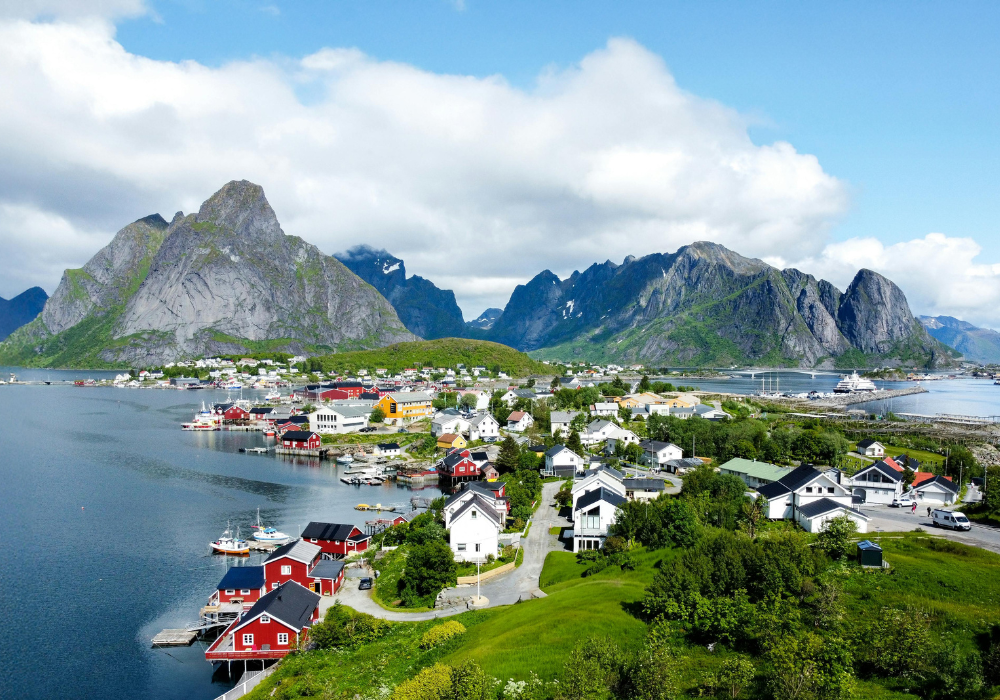
Norway is one of the more expensive countries in Europe, but salaries are generally high too, and many residents find the overall quality of life worth it. The main costs to budget for are:
- Housing: rent is highest in Oslo and in popular parts of Bergen and Stavanger. Landlords commonly ask for a deposit of up to several months’ rent, held in a separate deposit account.
- Food and drink: groceries generally cost more than in the UK, and eating out and alcohol are noticeably expensive. Alcohol stronger than a certain strength is sold through the state-owned Vinmonopolet shops.
- Transport: public transport is reliable and monthly passes help, while car ownership can be costly because of vehicle taxes, tolls and fuel.
- Childcare: kindergarten (barnehage) fees are capped by the state, which many families find helpful.
- Tax: income tax is relatively high, but it funds a wide range of public services.
Costs vary a great deal by city and lifestyle, so it is worth building a monthly budget based on current local listings before you commit to a move.
Where are the best places to live in Norway?
1. Is Oslo right for you?
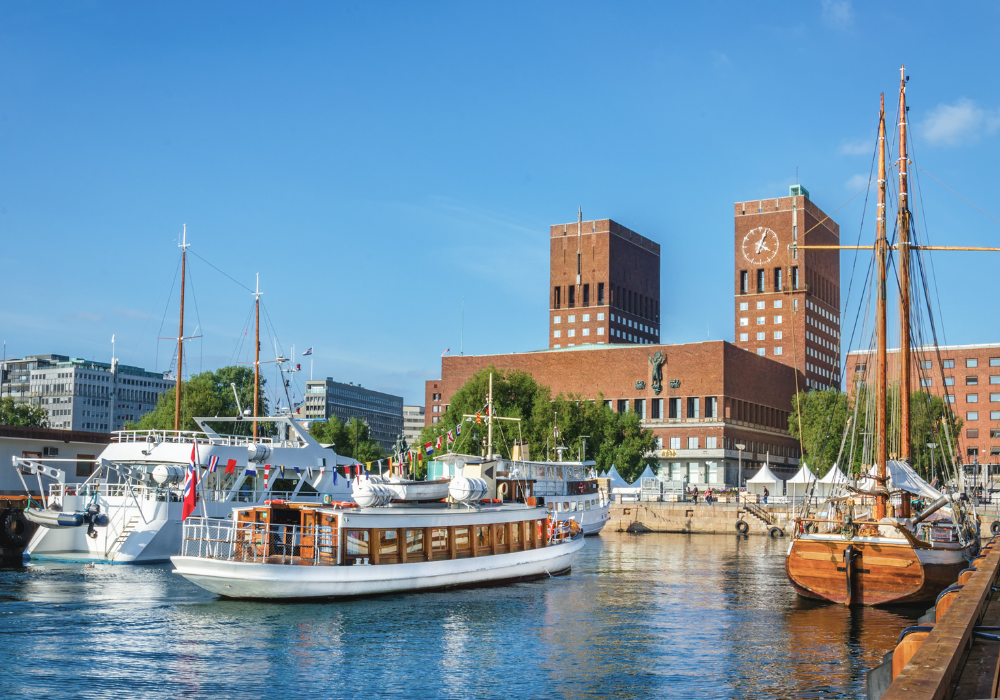
The capital has the largest job market, an international community, excellent public transport and easy access to forests and the Oslofjord. It is also the most expensive place to rent or buy.
2. What about Bergen?
Bergen is known for its harbour, surrounding mountains and lively cultural scene. It has a strong university and maritime sector. Expect plenty of rain.
3. Why do people choose Stavanger?

Stavanger is closely linked with the energy industry and has a large international workforce. It offers coastal scenery and good schools, including international options.
4. Is Trondheim a good choice?
Home to NTNU, Trondheim is a hub for technology, research and students. It has a relaxed pace and a historic centre.
5. What about life in the north?
Tromsø and other northern towns suit people who love the outdoors, the northern lights and the midnight sun. Winters are long and dark, so think carefully about how that would suit you.
How do you ship household goods to Norway?

Most people moving to Norway from the UK ship their belongings by road or sea. A road move with a removal vehicle, using ferry crossings, is common for full households, while groupage (shared space on a vehicle or in a container) can be more economical for smaller moves. Air freight suits a few urgent boxes.
Why does Norway have customs checks?
Norway sits outside the EU customs union, and so does the UK. That means your household goods must be declared to Norwegian Customs (Tolletaten) when they enter Norway. Your removal company will usually prepare the customs documents with you.
Can you import household goods duty-free?
Norwegian Customs allows people moving their residence to Norway to import used household goods and personal effects under relief rules, provided certain conditions are met, such as how long you have owned and used the items and how long you are moving for. New items, goods intended for sale, and some categories such as alcohol and tobacco above set quotas can be charged duty and VAT. Check the current conditions on the Norwegian Customs website before you ship.
What paperwork will you need?
- A detailed inventory of your goods, with approximate values.
- A copy of your passport and your residence permit or proof of your right to live in Norway.
- Evidence of your move, such as a tenancy agreement, property purchase or employment contract.
- The customs declaration form for moving goods required by Norwegian Customs.
Which items need special attention?
- Vehicles: importing a car to Norway can involve significant taxes and registration costs. Research this carefully before deciding to ship one.
- Alcohol and tobacco: strict quotas apply, and amounts above them are taxed.
- Firearms and weapons: these need permits and advance approval.
- Medicines, plants and food: restrictions apply, so check before packing.
- Pets: pets have their own import rules, which are handled by the Norwegian Food Safety Authority (Mattilsynet).
How long does shipping to Norway take?
Transit times depend on the method, your origin and destination, and customs clearance. A dedicated road move can be relatively quick, while groupage depends on consolidation schedules. Ask your mover for an estimated timeline and consider short-term storage if your home in Norway is not ready yet.
Frequently asked questions
1. Can UK citizens move to Norway after Brexit?
Yes, but most UK citizens now need a residence permit from UDI, for example for skilled work, family or study. People who lived in Norway before 2021 may have separate rights.
2. Do you need a job offer before moving to Norway from the UK?
For a skilled worker permit, you usually need a concrete job offer. Other routes, such as family immigration or study, have different requirements.
3. Do you pay duty on household goods shipped to Norway?
Used household goods and personal effects can often be imported without duty when you move your residence, if you meet the conditions. Check the current rules with Norwegian Customs.
4. Can you bring your car to Norway?
You can, but import taxes and registration costs can be high. Many people find it more practical to sell their UK car and buy one in Norway.
5. Is it expensive to live in Norway?
Living costs are high, especially housing in Oslo, but salaries and public services are also strong. Build a realistic budget based on the city you plan to live in.
Planning your move to Norway
A move to Norway takes careful planning, from your residence permit to the customs paperwork for your belongings. Anglo Pacific has decades of experience in international removals from the UK, with packing, shipping, customs documentation support and storage all in one place. When you are ready, request a free quote from Anglo Pacific for your international move to Norway.

