


Australia Working Holiday Visa for UK Students: 2027 Guide
Finishing university, taking a gap year or simply craving a year of sunshine and adventure? An Australian working holiday is one of the most popular ways for UK students and recent graduates to see the world while earning as they go. You can pick up bar shifts in Sydney, dive the Great Barrier Reef, road trip up the east coast and come home with stories, savings and a stronger CV.
This guide is written for students. It covers the visa you need first, then the part you are really here for: what a working holiday is like, how to plan it, how to budget and how to get your belongings out there without paying a fortune in airline baggage fees. If you are looking at longer-term moves such as skilled work or sponsorship, see our separate guide to Australia visa routes for UK citizens.
Which visa do UK students need for a working holiday in Australia?
UK passport holders apply for the Working Holiday visa (subclass 417). It lets you live in Australia for up to 12 months, work to fund your travels and study for up to four months. Always check the Department of Home Affairs website before you apply, as fees and rules change, often on 1 July each year.
Who is eligible?
- Age: UK citizens can apply from 18 up to and including 35. You must meet the age requirement on the day you lodge your application, so if you are close to your 36th birthday, apply early.
- Passport: you need a valid British passport.
- Funds: you should be able to show around AU$5,000 in savings, plus enough for a return or onward flight.
- Location: you must be outside Australia when you apply for your first 417 visa.
- Dependants: you cannot bring dependent children with you on this visa.
How much does the visa cost?
From 1 July 2026, the fee for a first Working Holiday visa is AU$840, and a second or third visa costs AU$1,000. Use the Home Affairs visa pricing estimator to confirm the exact amount on the day you apply.
Do UK citizens need to do farm work?
No. Since 1 July 2024, UK passport holders no longer need to complete specified work, such as the well-known 88 days of farm work, to qualify for a second or third Working Holiday visa. That means you can stay for up to three years in total on separate 12-month visas without any regional work requirement. Many students still choose seasonal fruit picking for the experience, the countryside and the cash.
How do you apply?
- Create an ImmiAccount on the Department of Home Affairs website.
- Complete the online 417 application form.
- Upload a scan of your passport and proof of funds, such as recent bank statements.
- Pay the fee by card.
- Complete any health checks or provide biometrics if requested.
Many applications are decided quickly, but do not book non-refundable flights until your visa is granted. Once it is, you have 12 months to enter Australia, and your 12-month stay starts from the day you arrive.
Are there any work rules?
You can work in almost any job, but you normally cannot work for the same employer for more than six months without permission. This suits a travelling lifestyle, as most people move cities every few months anyway.
Why do so many UK students take a working holiday in Australia?
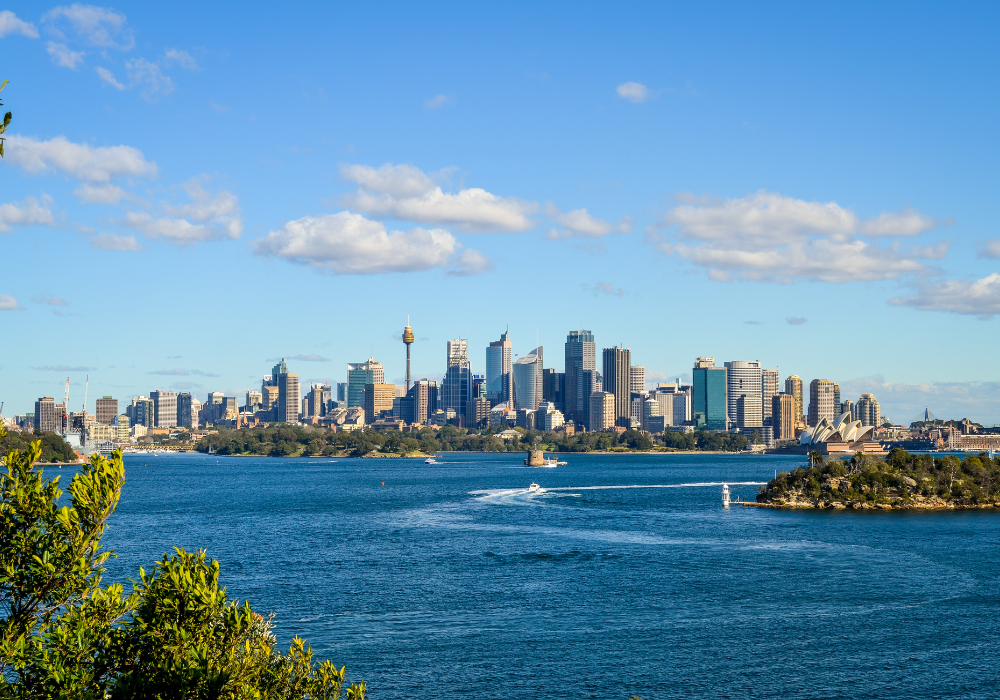
- The lifestyle: beaches, national parks, outdoor living and a famously friendly culture.
- Good pay: Australia’s minimum wage is high by international standards, so even casual work can fund a lot of travel.
- No language barrier: it is easy to find work, make friends and handle paperwork in English.
- Career benefits: a year abroad shows independence and adaptability. Some graduates find roles in their field, from marketing to engineering, and come back with international experience.
- A huge community: you will meet other travellers from all over the world in hostels, workplaces and tours.
What jobs do students typically do on a working holiday?
- Hospitality: bars, cafés and restaurants are always hiring, especially in Sydney, Melbourne, Brisbane and coastal towns. To serve alcohol you need a Responsible Service of Alcohol (RSA) certificate, which is issued by each state, so get the one for the state you will work in.
- Retail and events: festivals, sporting events and Christmas trading all create short-term jobs.
- Farm and seasonal work: fruit picking, packing and station work offer a taste of rural Australia and often include accommodation.
- Tourism: hostels, dive shops, tour operators and ski resorts in the Snowy Mountains or Victorian Alps.
- Office and temp work: graduates with admin, finance or IT skills can often find temporary contracts through recruitment agencies.
- Au pair and nannying: a popular option if you enjoy working with children.
How should you plan your Australian working holiday?
1. When is the best time to go?
Australia’s seasons are the reverse of the UK’s. Summer runs from December to February, which is peak time for Sydney and Melbourne. The tropical north, including Cairns and the Whitsundays, is at its best in the dry season from around May to October. Many students arrive in Sydney or Melbourne in spring, work through the busy summer, then head north once the dry season begins.
2. What does a typical route look like?
A classic plan is to land in Sydney, work for a few months to build savings, then travel the east coast through Byron Bay, Noosa, Fraser Island (K’gari), the Whitsundays and Cairns. From there, many fly to Uluru, Melbourne, Tasmania or Western Australia. Leave room for spontaneity: some of the best experiences come from tips you pick up along the way.
3. What should you sort out before you go?
- Travel insurance: the UK has a reciprocal healthcare agreement with Australia that may give you access to some Medicare services, but it does not cover everything, so take out comprehensive insurance.
- Student loan: tell the Student Loans Company if you will be living abroad for more than three months, as repayments continue while you are overseas.
- Bank account: many Australian banks let you open an account online before you arrive.
- Documents: pack your CV, references and digital copies of your passport, visa grant and qualifications.
4. What should you do when you arrive?
- Apply for a Tax File Number (TFN) online, as employers need it to pay you correctly.
- Get a local SIM card.
- Activate your bank account and register for Medicare if you are eligible.
- Book a hostel for your first week while you look for longer-term accommodation and work.
How much money do you need for a working holiday in Australia?
The visa guidance suggests around AU$5,000 in savings, and that is a sensible minimum. Your first few weeks are the most expensive: you are paying for accommodation and food while you look for work, plus one-off costs such as your RSA certificate and travel.
How can you budget sensibly?
- Rent: city rents are high, so many students share a room or a house. Hostel dorms are fine for short stays, while house shares are better value once you settle.
- Food: cooking for yourself saves a lot. Eating out regularly in cities adds up quickly.
- Transport: buying a used campervan or car with friends is popular for road trips, but factor in registration, insurance and fuel.
- Tours: diving, skydiving and island trips are often the highlight, so set aside money for them from the start.
- Tax: working holiday makers pay tax at a set rate on earnings, starting at 15% on the first AU$45,000. Your employer also pays superannuation (a pension contribution), which you can usually claim back, minus tax, when you leave Australia.
A good rule of thumb is to arrive with enough money to live for six to eight weeks without working. That way, you can take your time to find a job you enjoy.
Should you send baggage ahead to Australia?

A year abroad needs more than a single rucksack. You might want work clothes, a laptop, hiking boots, a wetsuit, warmer layers for Melbourne and Tasmania, and a few home comforts. Airline excess baggage charges on long-haul flights can be expensive, and lugging several heavy bags through airports and hostels is no fun.
Sending your extra baggage ahead is often more affordable and far more convenient. You fly with just your essentials, and your boxes or suitcases follow by sea or air freight to your first address, such as a friend’s house or your first long-term rental. Sea freight is the cheaper option if you can plan a few weeks ahead, while air freight is faster.
What should you know about Australian customs?
- Australia has strict biosecurity rules. Clean any outdoor gear, such as hiking boots, tents and sports equipment, so it is free of soil and seeds.
- Do not pack food, plants, seeds or animal products.
- Unaccompanied personal effects need an Unaccompanied Personal Effects Statement (form B534) and a copy of your passport.
- Keep valuables, medicines and important documents in your hand luggage.
Find out more about our student baggage shipping to Australia service, designed for students and young travellers sending boxes and suitcases down under.
Frequently asked questions
1. Can UK students apply for the Australian Working Holiday visa while still at university?
Yes. There is no requirement to have finished your degree. As long as you are aged 18 to 35, hold a British passport and meet the funds requirement, you can apply, then travel once your studies are complete.
2. How long can you stay in Australia on a working holiday?
Each visa lasts 12 months. UK citizens can apply for a second and third visa without doing specified work, allowing up to three years in total.
3. Can you study on a Working Holiday visa?
Yes, for up to four months. This is useful for short courses such as a diving qualification or a professional certificate.
4. Do you need a job offer before you go?
No. Most people find work after they arrive. Having your CV ready and an RSA certificate for your chosen state will help you get started quickly.
5. Is it cheaper to send baggage than pay airline excess fees?
For more than a bag or two, sending your belongings as unaccompanied baggage is usually more cost-effective than airline excess charges, especially on long-haul routes.
Start planning your Australian adventure
A working holiday in Australia can be one of the best years of your life, and a little planning makes it so much easier. Once your visa is sorted, let us take care of the heavy lifting. Get a free quote from Anglo Pacific for sending your baggage ahead, and travel light knowing your belongings are on their way.

