


Cost of living in New Zealand vs the UK in 2026
One of the first questions you will ask when planning a move from the UK to New Zealand is whether life there is more or less expensive. The honest answer is that it depends on where you live in both countries, what you spend your money on, and how you define expensive. A flat in central Auckland costs less than a flat in central London, but your weekly grocery shop will be noticeably more expensive than it was at Tesco.
This guide breaks down the comparison category by category, using real 2026 figures for both countries. Rather than giving you a single headline number, it walks through housing, groceries, transport, utilities, healthcare, dining out, salaries and tax, so you can build a realistic picture of what your life will actually cost once you arrive.
For the broader planning picture, see our pillar guide on moving to New Zealand from the UK.
The headline comparison
According to Numbeo’s 2026 cost-of-living index, New Zealand is approximately 11 per cent cheaper than the UK overall when rent is included. Strip out rent and the gap narrows. New Zealand is cheaper for housing outside Auckland, has no council tax equivalent, and offers lower transport costs in many areas. But groceries are meaningfully more expensive, dining out costs more, and GP visits carry a fee that does not exist under the NHS.
The most important thing to understand is that the comparison is not uniform. London skews UK averages dramatically upward. If you are moving from London to Auckland, you will likely spend less on housing. If you are moving from Manchester or Leeds to Auckland, your housing costs may actually rise.
Housing and rent

Housing is the single largest expense in both countries, and the comparison here depends almost entirely on which cities you are comparing.
Rent in New Zealand is quoted weekly rather than monthly. To convert to a monthly figure, multiply the weekly rent by 4.33. New Zealand landlords also require up to four weeks’ rent as a bond (deposit) plus one to two weeks’ rent in advance before you can move in.
| City | 1-bed apartment (monthly) |
How it compares |
|---|---|---|
| London (UK) | £2,000 to £2,250 | Most expensive UK city by a wide margin |
| Manchester (UK) | £900 to £1,100 | Typical large UK city outside London |
| Birmingham (UK) | £800 to £1,000 | Broadly comparable to Leeds and Bristol |
| Leeds (UK) | £750 to £950 | Among the more affordable large UK cities |
| Auckland (NZ) | NZ $2,170 to $2,820 (£950 to £1,230) |
Most expensive NZ city; cheaper than London |
| Wellington (NZ) | NZ $1,950 to $2,600 (£850 to £1,135) |
Comparable to Manchester |
| Christchurch (NZ) | NZ $1,520 to $1,950 (£665 to £850) |
Comparable to Leeds |
| Hamilton (NZ) | NZ $1,560 to $2,170 (£680 to £950) |
Growing regional city; good value |
| Dunedin (NZ) | NZ $1,300 to $1,730 (£570 to £755) |
Most affordable NZ city for renters |
The key takeaway: if you are leaving London, almost every New Zealand city will feel cheaper for housing. If you are leaving a mid-sized UK city like Manchester, Birmingham or Bristol, Auckland rents are broadly comparable and you may not notice much difference. The real savings appear if you settle in Christchurch, Hamilton or Dunedin, where rents are significantly lower than both Auckland and most large UK cities.
Groceries and food
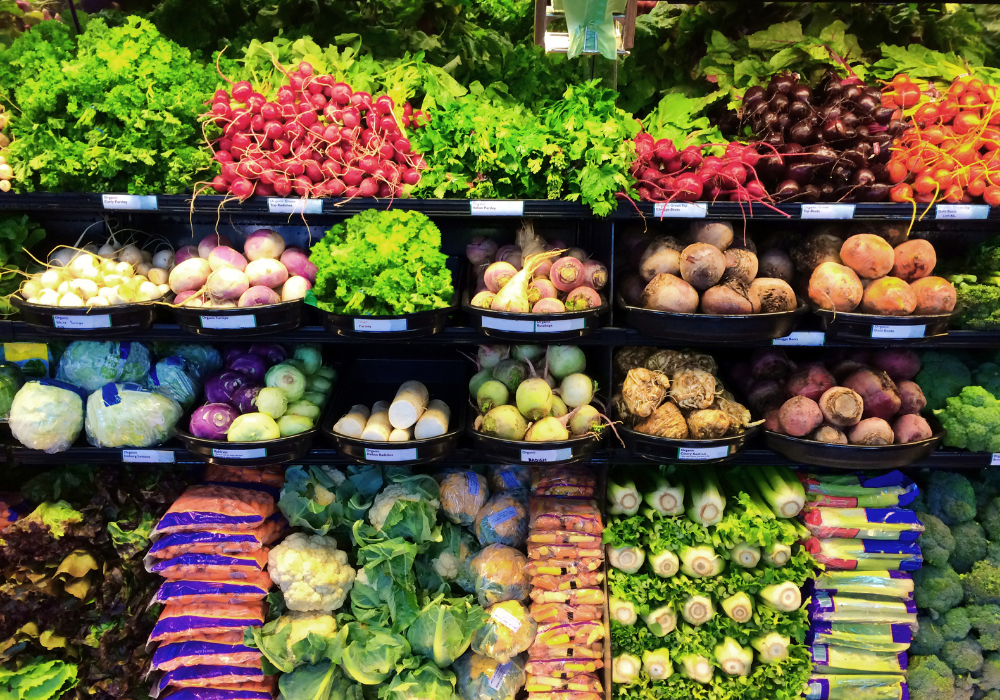
This is where New Zealand is consistently more expensive than the UK. Grocery prices in New Zealand are 15 to 20 per cent higher than UK averages, driven by the country’s geographical isolation, a less competitive supermarket market (two parent companies dominate) and recent food inflation that has outpaced the UK’s.
| Item | UK price (2026) | NZ price (2026) | Difference |
|---|---|---|---|
| 2L milk | £1.30 to £1.60 | NZ $3.50 to $4.50 (£1.53 to £1.97) |
NZ 10 to 20% more |
| 500g butter | £2.50 to £3.80 | NZ $5.70 to $8.50 (£2.49 to £3.71) |
Similar to slightly more |
| 1kg beef mince | £5.50 to £8.00 | NZ $14 to $19 (£6.11 to £8.30) |
NZ 10 to 30% more |
| Dozen eggs (free-range) | £3.50 to £4.50 | NZ $8 to $11 (£3.49 to £4.80) |
Similar to NZ 15% more |
| Loaf of bread | £1.00 to £1.80 | NZ $3 to $5 (£1.31 to £2.18) |
NZ 20 to 30% more |
| 1kg chicken breast | £6.00 to £8.00 | NZ $14 to $18 (£6.11 to £7.86) |
Similar |
| Flat white coffee | £3.50 to £4.50 | NZ $5 to $7 (£2.18 to £3.06) |
NZ slightly cheaper in GBP |
| Pint of beer (pub/bar) | £5.50 to £7.00 | NZ $10 to $14 (£4.37 to £6.11) |
Similar in GBP terms |
| Bottle of wine (supermarket) | £6.00 to £10.00 | NZ $12 to $20 (£5.24 to £8.73) |
NZ often better value for quality |
The weekly grocery bill for a single person cooking at home in New Zealand is typically NZ $100 to $180 (roughly £44 to £79), compared to £25 to £45 in the UK. For a family of four, budget NZ $250 to $350 per week (£109 to £153) in New Zealand versus £80 to £140 in the UK. The gap is real, but shopping at Pak’nSave (New Zealand’s cheapest major supermarket), buying seasonal produce and using weekend farmers’ markets can reduce it significantly.
Transport
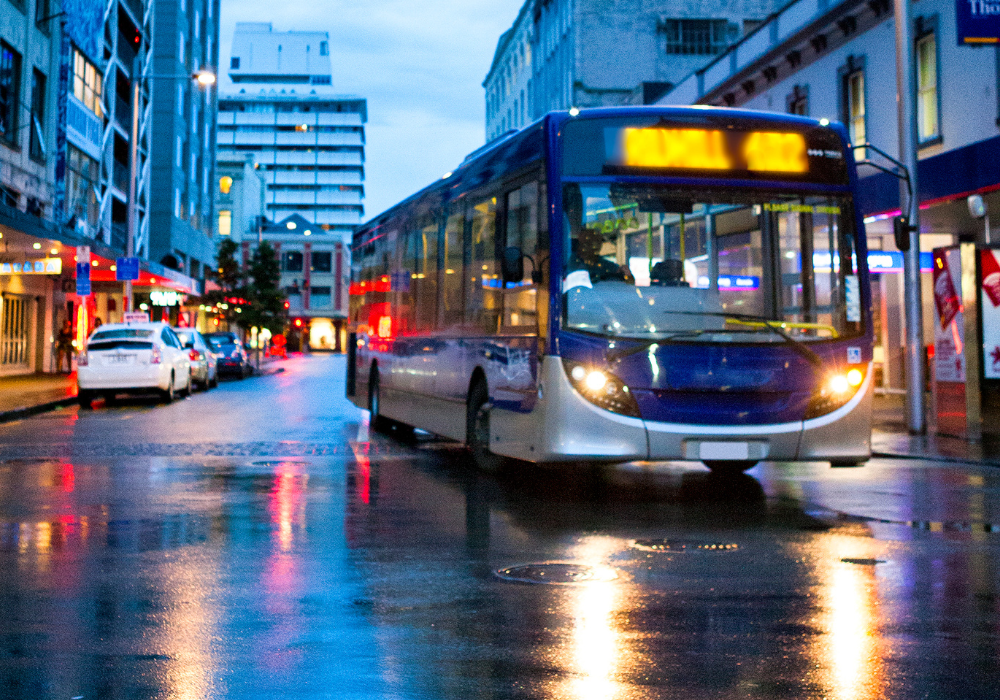
Transport costs are broadly comparable between the two countries, but how you get around is likely to change. Wellington has the best public transport network in New Zealand (buses, trains and ferries), and Auckland has improved significantly with the City Rail Link. Most other New Zealand cities are car-dependent, which is a shift if you are used to relying on buses and trains in a large UK city.
| Transport cost | UK | New Zealand |
|---|---|---|
| Monthly public transport pass | London: £160 to £230 (Zones 1 to 3). Manchester: £75 to £100 |
Auckland: NZ $200 to $250 (£87 to £109). Wellington: NZ $130 to $250 (£57 to £109) |
| Litre of petrol | £1.40 to £1.55 | NZ $3.30 to $3.50 (£1.44 to £1.53) |
| Used car purchase | Varies widely | NZ $5,000 to $12,000 (£2,180 to £5,240) |
| Car insurance (annual) | Average £500 to £900 | NZ $600 to $1,500 (£262 to £655) |
Petrol prices are broadly similar once you convert currencies. Public transport is cheaper in New Zealand’s main cities than in London, but the London comparison is misleading for most UK movers, since many UK cities already have cheaper fares. The real difference is that outside Auckland and Wellington, you will almost certainly need a car in New Zealand, which is an additional fixed cost if you currently rely on public transport in the UK.
Utilities and household bills
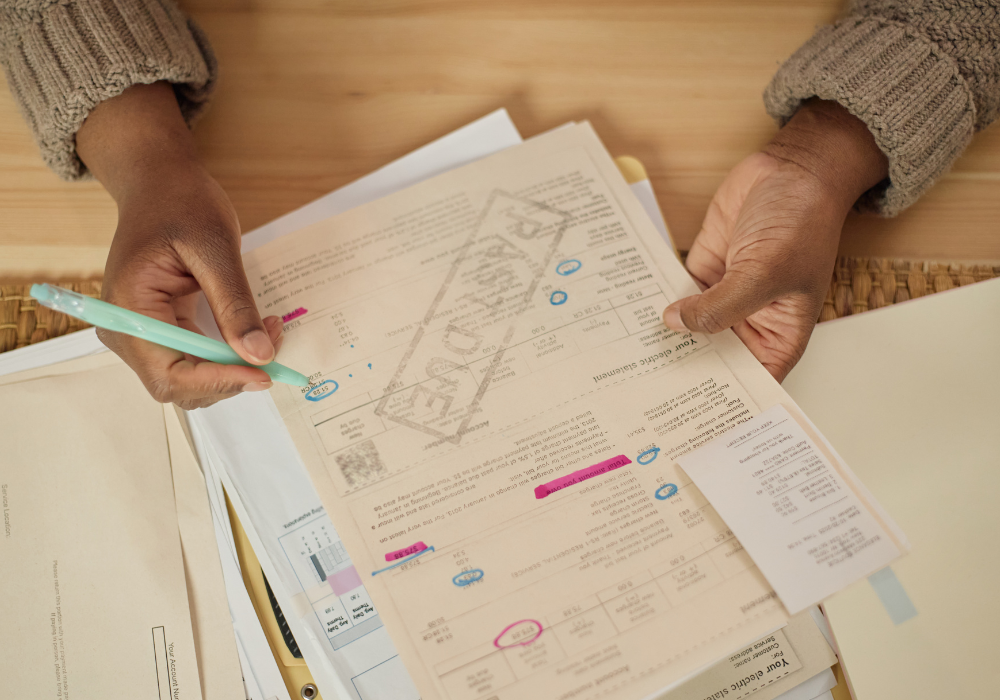
Utility costs are broadly comparable between the two countries, with one important caveat: New Zealand has no council tax equivalent for tenants, which removes £117 to £233 per month from your fixed costs.
| Bill | UK (monthly) | New Zealand (monthly) |
|---|---|---|
| Electricity and gas | Average £145 (Ofgem cap 2026) | NZ $200 to $350 (£87 to £153). Higher in winter, especially South Island |
| Broadband | Average £35 to £55 | NZ $60 to $100 (£26 to £44) |
| Water | £30 to £45 (metered average) | Often included in rent; if separate, NZ $30 to $60 (£13 to £26) |
| Council tax / rates | £117 to £233 (Band D average) | No equivalent for tenants. Rates paid by property owners only |
| Mobile phone | £15 to £30 | £20 to £45 (NZ $46 to $103) |
| TV licence | £169.50 per year | No equivalent. Free-to-air TV; streaming subscriptions similar |
The net effect is that household bills in New Zealand are roughly comparable to the UK in total, but the composition is different. You lose council tax and the TV licence, but electricity costs can be higher (especially in cooler parts of the South Island during winter) and broadband is slightly more expensive. Water is often included in rent, which simplifies budgeting.
Healthcare

This is one area where the UK has a clear cost advantage for everyday use. NHS GP appointments are free at the point of use. In New Zealand, a standard GP visit costs NZ $40 to $70 (£17 to £31) per consultation. Children under 13 receive free GP care, and prescriptions are capped at NZ $5 per item.
Public hospital treatment is free in both countries for residents. New Zealand’s ACC (Accident Compensation Corporation) covers all residents and visitors for personal injury from any accident, regardless of fault, which is a significant benefit with no direct UK equivalent. Private health insurance in New Zealand typically costs NZ $60 to $150 per month for an individual.
Salaries and tax
UK and New Zealand salaries are broadly similar once you convert currencies, though this varies significantly by sector and role. The median salary in New Zealand is approximately NZ $61,548 per year (around £26,900), compared to the UK median of approximately £35,000. However, roles in technology, engineering and healthcare often command comparable or higher salaries in New Zealand relative to local living costs.
New Zealand’s tax rates are generally slightly lower than the UK’s, particularly at the middle-income level. New Zealand has no separate National Insurance equivalent; income tax and ACC levies cover the functions that NI performs in the UK. There is no capital gains tax on personal property in New Zealand, and the KiwiSaver retirement scheme (minimum 3 per cent employer contribution) is less generous than UK auto-enrolment minimums.
| Income band | UK tax rate | NZ tax rate |
|---|---|---|
| Up to £12,570 NZ $15,600 |
0% (personal allowance) | 10.5% |
| £12,571 to £50,270 NZ $15,601 to $53,500 |
20% | 17.5% |
| £50,271 to £125,140 NZ $53,501 to $78,100 |
40% | 30% |
| Above £125,140 NZ $78,101 to $180,000 |
45% (additional rate) | 33% |
| Above NZ $180,001 | N/A | 39% |
The UK’s tax-free personal allowance (£12,570) gives lower earners a meaningful advantage compared to New Zealand, where income is taxed from the first dollar. At middle and higher incomes, New Zealand’s rates are lower, and the absence of a separate National Insurance charge further widens the gap. The net effect is that mid-to-high earners tend to take home a slightly higher percentage of their salary in New Zealand than in the UK.
Dining out and entertainment

Eating out in New Zealand is generally 20 to 40 per cent more expensive than in the UK, driven by higher labour costs, smaller market scale and the cost of imported ingredients. A casual dinner for two with drinks in Auckland or Wellington runs NZ $80 to $130 (£35 to £57), compared to £40 to £70 for an equivalent meal in most UK cities outside London.
One welcome difference: tipping is not expected in New Zealand. Restaurant prices include service, and there is no social pressure to add 10 to 15 per cent on top. Cinema tickets, gym memberships and streaming subscriptions are broadly comparable between the two countries. New Zealand’s greatest entertainment advantage is free access to nature: national parks, beaches, hiking trails and swimming holes cost nothing and are a much bigger part of daily life than in the UK.
The bottom line: what your money actually buys
The overall picture for a British mover to New Zealand in 2026 is nuanced. You will likely spend less on housing (unless you are moving from a cheap UK city to Auckland), significantly less on council tax (which disappears entirely for tenants), and slightly less on transport if you are leaving London. You will spend more on groceries, more on dining out, and more on GP visits. Salaries are slightly lower in nominal terms but tax rates are also lower at middle and higher incomes.
For a detailed breakdown of the total cost of making the move itself, including visa fees, shipping costs and settling-in expenses, see our companion guide on the real cost of moving to Australia from the UK (a New Zealand-specific cost guide is in production). To compare both destinations side by side, see our piece on Australia vs New Zealand for British movers.
Frequently asked questions
1. Is New Zealand more expensive than the UK?
Overall, New Zealand is approximately 11 per cent cheaper than the UK when rent is included, according to Numbeo’s 2026 index. However, groceries are 15 to 20 per cent more expensive, dining out is 20 to 40 per cent more expensive, and GP visits carry a fee that does not exist under the NHS. Housing is cheaper than London but comparable to many mid-sized UK cities.
2. How much is rent in New Zealand compared to the UK?
A one-bedroom apartment in central Auckland costs NZ $2,170 to $2,820 per month (roughly £950 to £1,230), which is cheaper than central London (£2,000 to £2,250) but comparable to Manchester or Bristol. Christchurch and Dunedin are significantly cheaper, with one-bedroom rents of NZ $1,300 to $1,950 (£570 to £850).
3. Are groceries more expensive in New Zealand than in the UK?
Yes, typically 15 to 20 per cent more expensive. Meat, eggs and fresh produce have seen the sharpest increases. The gap can be reduced by shopping at Pak’nSave, buying seasonal produce and using weekend farmers’ markets.
4. Is healthcare free in New Zealand?
Public hospital treatment is free for residents. GP visits are subsidised but not free for most adults, costing NZ $40 to $70 per visit. Children under 13 receive free GP care. Prescriptions are capped at NZ $5 per item. New Zealand’s ACC scheme covers all accident-related injuries for residents and visitors at no additional cost.
5. Do you pay council tax in New Zealand?
No. New Zealand has no equivalent of UK council tax for tenants. Local authority rates exist but are paid by property owners, not renters. This removes £117 to £233 per month from your fixed costs compared to the UK.
6. Are salaries higher in New Zealand or the UK?
UK median salaries are higher in nominal terms (approximately £35,000 vs £26,900 in NZ after conversion). However, New Zealand’s tax rates are lower at middle and higher incomes, and there is no separate National Insurance charge. The net take-home difference is smaller than the headline figures suggest.
7. What is the cheapest city to live in New Zealand?
Among the main centres, Dunedin is consistently the most affordable, with one-bedroom rents of NZ $300 to $400 per week and total monthly costs for a single person of NZ $2,700 to $3,900. Hamilton, Christchurch and regional towns also offer good value compared to Auckland and Wellington.


