


Cost of living in Dubai vs the UK (2027): Full comparison
If you are weighing up a job offer in the Emirates, you have probably already priced up the move itself. The bigger question is what life costs once you have arrived. This guide compares the cost of living in Dubai vs the UK, month by month, so you can see where your money goes further, where it does not, and what a tax-free salary really means for your budget.
We look at rent, groceries, utilities, transport, schools, healthcare, tax and salaries, then pull everything together in one table in pounds and dirhams. If you want help with the one-off side of relocating, such as visas, paperwork and shipping, take a look at our Moving to Dubai from the UK guide.
A note on exchange rates: all conversions in this article use a rate of £1 = AED 4.91, close to the market rate in late October 2026. During 2026 the pound has traded between roughly AED 4.83 and AED 5.07. Rates change daily, so check a live rate before you make any decisions. Figures are typical ranges gathered from published 2026 sources and will vary with your lifestyle and neighbourhood.

Is Dubai cheaper than the UK overall?
The honest answer is that it depends on how you live. Dubai is not a cheap city, and some costs, especially private schooling, health insurance and rent in sought-after districts, can be higher than you are used to. The big difference is tax. With no personal income tax in the UAE, you keep your whole salary, which often more than makes up for higher day-to-day costs.
Many UK households find that their essential spending is broadly similar in both places, while their disposable income rises in Dubai. Single professionals who live in mid-priced areas and use the Metro tend to see the biggest gains. Families paying for private schools and larger homes need to budget more carefully.
How does rent in Dubai compare with the UK?
Rent is usually the largest monthly cost in both countries. According to the Office for National Statistics, the average private rent across the UK was £1,406 a month in the 12 months to September 2026, rising to £2,338 in London. Wales averaged £848 and Scotland £1,011.
In Dubai, published 2026 estimates put a one-bedroom flat at:
- International City: AED 2,800 to 4,000 a month (about £570 to £815)
- Deira or Al Nahda: AED 3,500 to 5,000 a month (about £715 to £1,020)
- Jumeirah Village Circle (JVC): AED 4,000 to 6,000 a month (about £815 to £1,220)
Two-bedroom flats citywide typically run from AED 65,000 to 130,000 a year, roughly AED 5,400 to 10,800 a month (about £1,100 to £2,200). Waterfront and central areas such as Dubai Marina, Downtown Dubai and Palm Jumeirah sit at the top end and above.
What extra rental costs should you expect in Dubai?
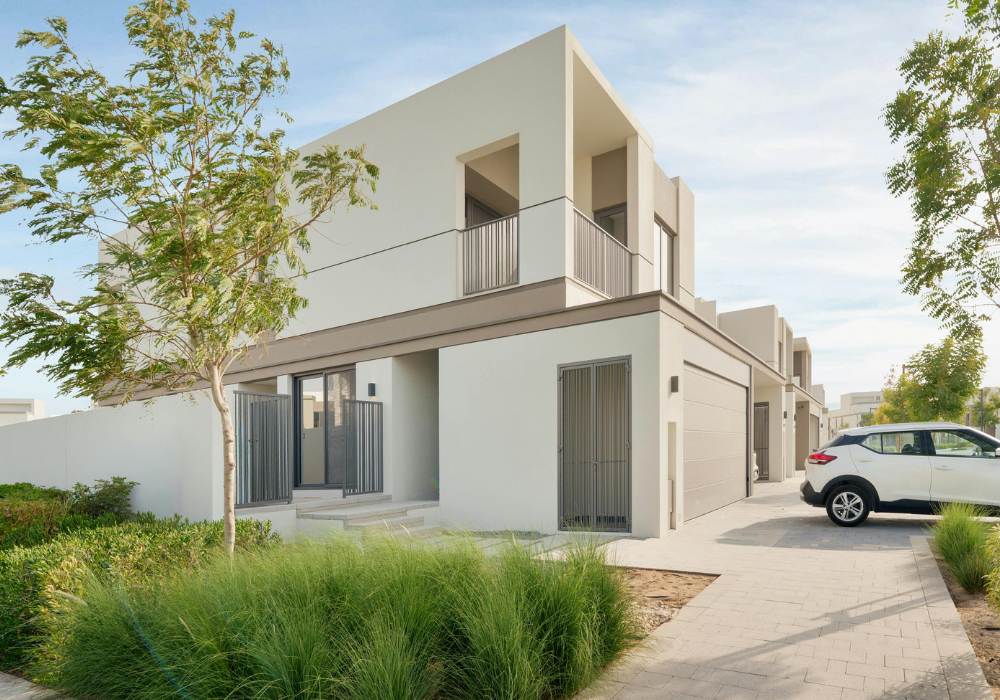
Dubai rental practices differ from the UK in a few important ways:
- Payment in cheques: landlords often ask for the year’s rent upfront in one to four post-dated cheques, rather than monthly payments.
- Housing fee: tenants pay a Dubai Municipality housing fee of 5% of the annual rent, added to the monthly DEWA (Dubai Electricity and Water Authority) bill. On a flat costing AED 60,000 a year, that is AED 3,000 a year, or about AED 250 a month.
- Deposit and agency fees: expect a security deposit and, if you use an agent, a commission, so set aside a lump sum for your first lease.
There is no council tax in Dubai, which helps offset the housing fee. In the UK, council tax is a significant extra, with Band D bills in many English areas well over £2,000 a year.
Are groceries more expensive in Dubai?
Groceries in Dubai cost a similar amount to the UK if you shop smartly, and noticeably more if you stick to imported British brands. Estimates for a single person in Dubai are:
- Budget (LuLu, Carrefour): AED 600 to 900 a month (about £120 to £185)
- Mid-range: AED 900 to 1,500 a month (about £185 to £305)
- Premium (Spinneys, Waitrose): AED 1,500 to 2,500 a month (about £305 to £510)
In the UK, a single adult cooking at home typically spends around £160 to £280 a month at a mid-range supermarket. Local and regional produce in Dubai is good value, while imported dairy, cheese and familiar UK products carry a premium.
What about eating out?
Dining out is one of Dubai’s great pleasures and covers every budget. A cafeteria meal can cost AED 10 to 20 (£2 to £4), a mid-range restaurant AED 50 to 120 a head (£10 to £24), and the famous Friday brunch AED 150 to 400 per person (£30 to £80). Alcohol is the main cost that pushes bills up, as it is far more expensive than in the UK.
How do utility bills compare?
Your DEWA bill covers electricity and water, plus the housing fee and, in many buildings, separate district cooling charges. Typical 2026 figures, excluding the housing fee, are:
- Studio or one-bedroom flat: AED 300 to 600 a month (about £60 to £120)
- Two-bedroom flat: AED 500 to 900 a month (about £100 to £185)
- Three-bedroom villa: AED 800 to 1,500 a month (about £165 to £305)
Bills peak in summer, when air conditioning runs almost constantly. In the UK, the Ofgem price cap for a typical dual fuel household is £1,723 a year from October 2026, around £144 a month, with costs peaking in winter instead. Water and council tax are on top.
Home internet and a mobile plan in Dubai usually cost AED 150 to 350 a month combined (about £30 to £70), which tends to be higher than UK broadband and SIM-only deals.
Is transport cheaper in Dubai?

Fuel is considerably cheaper in Dubai than in the UK, but owning a car still adds up once you include finance, insurance, registration and Salik road tolls. Published estimates put total car running costs at AED 2,500 to 4,500 a month (about £510 to £915) including a car loan.
Public transport is clean and reliable. A monthly Dubai Metro pass is around AED 350 (about £71), and ride-hailing with Uber or Careem might cost AED 600 to 1,200 a month (£120 to £245) if you use it regularly. In the UK, commuters into London can easily spend well over £150 a month on a Travelcard, and rail season tickets from outside London cost considerably more.
How much are school fees in Dubai compared with the UK?
This is where many families feel the difference most. In the UK your children can attend a state school for free. In Dubai, most UK families choose private international schools, many following the British curriculum, with fees ranging from roughly AED 20,000 to 80,000 per child per year (about £4,075 to £16,295) depending on the school’s tier and age group.
If your children already attend private school in the UK, the comparison looks very different. UK independent school fees have been subject to 20% VAT since January 2025, and day school fees commonly exceed what many mid-range Dubai schools charge. Always check whether an employer package includes an education allowance before you accept an offer, and register with schools early, as popular ones have waiting lists.
What does healthcare cost in Dubai?
In the UK, NHS care is free at the point of use. In Dubai, health insurance is mandatory, and employers must provide cover for their staff. Basic employer plans may not include your family, dental care or treatment at your preferred hospitals, so many people top up their cover.
Typical 2026 monthly premiums for individual cover are:
- Budget: AED 200 to 400 (about £40 to £80)
- Mid-range: AED 400 to 800 (about £80 to £165)
- Family cover: AED 1,000 to 2,500 (about £205 to £510)
Private healthcare in Dubai is high quality, with short waiting times, but you will normally pay a co-payment or excess for each visit.
How do tax and salaries compare?
1. Is there income tax in Dubai?
There is no personal income tax on salaries in the UAE, and no National Insurance. VAT is charged at 5%, compared with 20% in the UK. This makes a big difference to your take-home pay.
Take the UK median full-time salary of £40,911 (ONS, April 2026). After income tax at 20% above the £12,570 personal allowance and National Insurance at 8%, you would take home roughly £33,000 a year. Earn the same gross salary in Dubai and you would keep around £7,900 more each year, before any differences in living costs.
Bear in mind that leaving the UK does not automatically end your UK tax obligations. Your status depends on the Statutory Residence Test, and income from UK property or other UK sources may still be taxable. Speak to a qualified adviser before you go.
2. Are salaries in Dubai higher?
Salaries vary widely by sector and seniority. Many roles in finance, construction, engineering, healthcare and education offer packages that include housing, schooling or flight allowances, which can be worth more than the headline salary. When comparing offers, convert the whole package into monthly figures and set it against the costs in this guide.
Cost of living in Dubai vs the UK: Comparison table
All conversions at £1 = AED 4.91. Figures are typical monthly ranges unless stated and are rounded.
| Cost | UK (GBP) | UK (AED) | Dubai (AED) | Dubai (GBP) |
|---|---|---|---|---|
| Rent, average private rent (UK) / one-bed in JVC (Dubai) | £1,406 | AED 6,905 | AED 4,000 to 6,000 | £815 to £1,220 |
| Rent, London / two-bed citywide (Dubai) | £2,338 | AED 11,480 | AED 5,400 to 10,800 | £1,100 to £2,200 |
| Energy and water (one-bed, Dubai excludes housing fee) | £144 (energy only, price cap) | AED 705 | AED 300 to 600 | £60 to £120 |
| Groceries, single person | £160 to £280 | AED 785 to 1,375 | AED 900 to 1,500 | £185 to £305 |
| Mid-range restaurant, per person | Varies | Varies | AED 50 to 120 | £10 to £24 |
| Monthly public transport pass | Over £150 (London) | Over AED 735 | AED 350 | £71 |
| Internet and mobile | Varies | Varies | AED 150 to 350 | £30 to £70 |
| Health insurance, single (mid-range) | £0 (NHS) | AED 0 | AED 400 to 800 | £80 to £165 |
| School fees, per child per year | £0 (state school) | AED 0 | AED 20,000 to 80,000 | £4,075 to £16,295 |
| Median full-time salary, per year | £40,911 | AED 200,875 | Varies by sector | Varies by sector |
| Income tax | 20% to 45% plus NI | 20% to 45% plus NI | 0% | 0% |
| VAT | 20% | 20% | 5% | 5% |
How can you make your money go further in Dubai?
- Choose your area carefully: living near a Metro station in a mid-priced district can save thousands of dirhams a year on rent and transport.
- Negotiate your package: housing, schooling and annual flights are often negotiable and can transform your budget.
- Shop local: hypermarkets and local brands are far cheaper than imported favourites.
- Bring what you love: furniture and electricals can be expensive to replace, so shipping your existing belongings often makes financial sense. Our removals to Dubai service can help you work out what to take.
Frequently asked questions
1. Is it cheaper to live in Dubai or the UK?
Day-to-day costs are broadly similar, with rent, schooling and health insurance often higher in Dubai. Because there is no income tax, most people on the same salary have more disposable income in Dubai.
2. What salary do you need to live comfortably in Dubai?
It depends on your household. A single person in a mid-priced one-bedroom flat will need far less than a family paying school fees. Add up rent, the 5% housing fee, utilities, insurance and schooling using the figures above to find your number.
3. Do you pay council tax in Dubai?
No. Instead, tenants pay a housing fee of 5% of their annual rent, collected through the monthly DEWA bill.
4. Is healthcare free in Dubai for UK residents?
No. You will need health insurance, which employers must provide for their employees. Check what your plan covers and whether your family is included.
5. What exchange rate should you use when budgeting?
This guide uses £1 = AED 4.91, but rates change every day. Build in a margin of a few per cent so that currency movements do not catch you out.
Planning your move to Dubai
Once you know what life will cost, you can plan your move with confidence. Whether you are shipping a full household or just a few boxes of personal belongings, Anglo Pacific helps people relocate from the UK to destinations around the world. When you are ready, request a free quote for removals to Dubai and our team will talk you through the options.

