


7 Popular Cities to Live in for Brits in Japan
Thinking about a move to Japan from the UK? Whether you are planning full international removals or lighter baggage shipping, Anglo Pacific has shipped British households overseas for more than forty years, which makes us a leading choice to consider for your international removals to Japan. Choosing the right city is the first big decision, because Japan is a country of very different places, from the scale of Tokyo to the calmer pace of Sapporo, and the cost of living can swing widely between them.
This guide walks you through seven of the most popular cities for British residents in Japan. For each one you will find who it suits, honest pros and cons, and the cost of living for a single person, a couple and a family. Before that, we have gathered the questions British movers most often ask in Reddit threads and Facebook relocation groups, with practical suggestions to help you plan before you commit.
Before you plan your move: what Brits actually ask
These are the questions that come up again and again in relocation communities. Reading them before you plan saves time, money and surprises, so here is a practical answer to each.
- Do I need a job before I move? In most cases, yes. A work visa is usually sponsored by a Japanese employer, who supports your Certificate of Eligibility, so lining up a role is the first practical step. You should not rely on switching from a tourist entry once you arrive. If you are aged between eighteen and thirty, the Working Holiday route can be a way to spend time in Japan with limited work while you look for something longer term. Always confirm the current rules with the official sources before you plan around a route.
- Why is renting so hard, and what are key money and guarantors? Japan’s rental system asks for more upfront than the UK. Expect a refundable deposit (shikikin), a non-refundable payment to the landlord (reikin, often called key money), an agency fee, and a guarantor company fee, which together can add up to around four to six months’ rent before you move in. A guarantor company is almost always required. The practical fixes are to budget for those upfront costs early, look for foreigner-friendly agencies and listings with no key money, and ask whether your employer offers company housing, which removes much of the hassle.
- Do I need to speak Japanese? In the largest cities you can start out in English in many international, teaching and technology roles, and daily life is manageable. That said, learning Japanese lowers your costs, widens the range of flats open to you and makes settling in far easier socially. Even basic conversational Japanese before you arrive pays off quickly, so it is worth starting early.
- How much should I budget to get started? Beyond your shipping, plan for the upfront rental costs above, your first month or two of living expenses before you are paid, and furniture if you take an unfurnished flat, which is common. Many movers find they need several thousand pounds to land comfortably, so build in a buffer rather than arriving with the bare minimum.
- What about healthcare? Once you are a resident you enroll in National Health Insurance, paying a monthly premium based on income and covering a share of costs at the point of care. Premiums are low in your first year because they are based on your previous year’s Japan income. Arrange private travel cover for the short window before your residency and insurance are set up.
- Can I bring my pet and my belongings? Pets can move to Japan, but the import process needs advance preparation, including a microchip, rabies vaccination and paperwork, and the lead time is long, so start months ahead and follow the official rules closely. For your belongings, sea freight suits a household move, either as Groupage where your goods share space, or FCL where you have a sole-use container, while baggage shipping is ideal for a lighter move of a few boxes.
The 7 popular cities for Brits in Japan

The right city depends on your work, your budget and the pace of life you want. The cost figures below are indicative monthly totals for a comfortable lifestyle in 2026, covering rent and everyday living. They exclude one-off move-in costs and international school fees, and the approximate pound figures use a recent exchange rate that moves, so treat them as a planning guide rather than a quote.
1. Tokyo
Japan’s capital is the obvious starting point for many British movers. It has the widest job market, the largest international community and the strongest English support, along with a transport network that makes living without a car easy. It is the most expensive city in Japan, though still more affordable than London for housing, and the trade-off for the buzz is smaller living space and higher rent.
| Pros | Things to weigh up |
|---|---|
| ✓ Widest job market and international community | • The most expensive city in Japan |
| ✓ Excellent transport and English support | • Smaller flats for the money |
| ✓ Endless food, culture and day trips | • Busy and fast-paced |
| ✓ Cheaper housing than central London | • Central rent rises quickly near the core |
| Household | Indicative monthly cost, all in |
|---|---|
| Single | ¥250,000 to ¥350,000 (around £1,300 to £1,850) |
| Couple | ¥350,000 to ¥480,000 (around £1,850 to £2,530) |
| Family of four | ¥500,000 to ¥750,000 (around £2,650 to £3,950) |
Practical tip: look at well-connected areas a short train ride from the core, such as Nakano or Kita-Senju, for more space at a lower rent.
2. Yokohama
Just south of Tokyo, Yokohama gives you access to the capital’s job market with a more relaxed, open feel and a long history as an international port city. Many British residents commute into Tokyo while enjoying a greener, waterfront lifestyle and slightly lower rents. It suits people who want the opportunities of the capital without living in its busiest districts.
| Pros | Things to weigh up |
|---|---|
| ✓ Easy commute into central Tokyo | • The most expensive city in Japan |
| ✓ Waterfront, greener and more spacious | • Smaller flats for the money |
| ✓ Long international heritage | • Busy and fast-paced |
| ✓ Slightly lower rent than Tokyo | • Central rent rises quickly near the core |
| Household | Indicative monthly cost, all in |
|---|---|
| Single | ¥220,000 to ¥300,000 (around £1,150 to £1,580) |
| Couple | ¥320,000 to ¥430,000 (around £1,680 to £2,260) |
| Family of four | ¥460,000 to ¥640,000 (around £2,420 to £3,370) |
Practical tip: check the commute time and cost to your Tokyo workplace before choosing a neighbourhood, as it varies a lot by line.
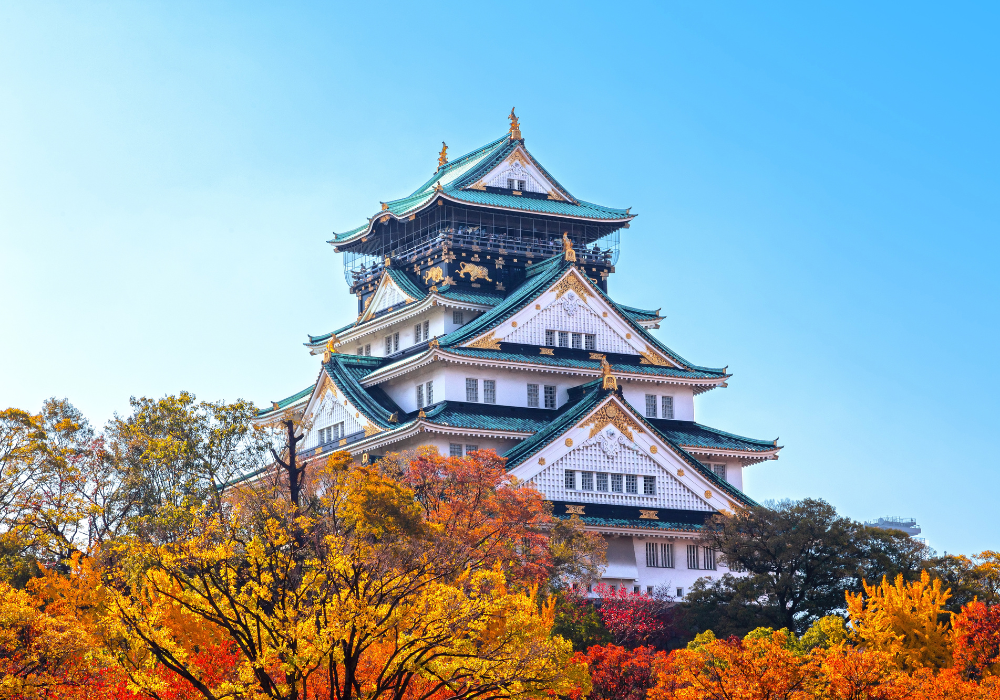
3. Osaka
Osaka is many movers’ favourite balance of city life and value. Japan’s lively second city has a famous food culture, a warm and direct reputation, and rents that run well below Tokyo for a comparable flat. There is a good range of international jobs, strong transport, and quick bullet train links across the country, which makes it a popular base for British residents who want a big-city life for less.
| Pros | Things to weigh up |
|---|---|
| ✓ Around 20 to 30 percent cheaper than Tokyo | • Fewer top-tier corporate roles than Tokyo |
| ✓ Outstanding food and social scene | • Summers are hot and humid |
| ✓ Good transport and central location | • Central wards still command a premium |
| ✓ Growing international job market | • Less English signage in some areas |
| Household | Indicative monthly cost, all in |
|---|---|
| Single | ¥180,000 to ¥260,000 (around £950 to £1,370) |
| Couple | ¥280,000 to ¥380,000 (around £1,470 to £2,000) |
| Family of four | ¥420,000 to ¥560,000 (around £2,210 to £2,950) |
Practical tip: areas outside the central wards offer the best value while keeping you a short train ride from the action.
4. Kyoto
Kyoto pairs a rich cultural setting with a more measured pace than Tokyo or Osaka, and it is within easy reach of both. It appeals to people drawn to history, universities and a calmer daily rhythm, with plenty of green space and a strong community feel. Central and popular districts can be pricey given demand, so budget carefully if you want to be close to the historic core.
| Pros | Things to weigh up |
|---|---|
| ✓ Beautiful, historic and walkable | • Popular central areas can be expensive |
| ✓ Calmer pace with a strong community | • Fewer large international employers |
| ✓ Close to Osaka and easy travel links | • Tourism is busy in peak seasons |
| ✓ Excellent universities and culture | • Summers are hot and winters can be cold |
| Household | Indicative monthly cost, all in |
|---|---|
| Single | ¥190,000 to ¥260,000 (around £1,000 to £1,370) |
| Couple | ¥290,000 to ¥390,000 (around £1,530 to £2,050) |
| Family of four | ¥420,000 to ¥560,000 (around £2,210 to £2,950) |
Practical tip: living a few stops out from the tourist centre gives you more space and lower rent while keeping the city close.
5. Kobe
Kobe is a long-standing favourite with international residents, thanks to its port heritage, relaxed atmosphere and setting between the sea and the mountains. It offers a comfortable city life with a welcoming feel, good schools and easy access to Osaka and Kyoto. For many British families it strikes a friendly balance of lifestyle, space and cost.
| Pros | Things to weigh up |
|---|---|
| ✓ Relaxed, international and scenic | • Fewer local job openings than Osaka |
| ✓ Good schools and family appeal | • Hilly geography in some districts |
| ✓ Easy access to Osaka and Kyoto | • Sea-and-mountain setting limits sprawl |
| ✓ More space than central Osaka for the money | • Quieter nightlife than Osaka |
| Household | Indicative monthly cost, all in |
|---|---|
| Single | ¥180,000 to ¥250,000 (around £950 to £1,320) |
| Couple | ¥270,000 to ¥370,000 (around £1,420 to £1,950) |
| Family of four | ¥400,000 to ¥540,000 (around £2,110 to £2,840) |
Practical tip: many residents live in Kobe and commute to Osaka, so weigh the daily journey against the lifestyle gain.
6. Fukuoka
On the southern island of Kyushu, Fukuoka has become one of the most talked-about cities for value and quality of life. It offers a compact, easy-going city with a strong food scene, a growing start-up community and notably lower rents than the biggest metros, although prices have been rising as more people arrive. It suits movers who want a warmer climate, a friendly pace and more home for their money.
| Pros | Things to weigh up |
|---|---|
| ✓ Around 35 to 40 percent cheaper than Tokyo | • Rents are rising with its popularity |
| ✓ Compact, friendly and easy to get around | • Fewer large corporate employers |
| ✓ Growing start-up and remote-work scene | • Further from Tokyo and central Japan |
| ✓ Warm climate and great food | • Smaller international community than the big metros |
| Household | Indicative monthly cost, all in |
|---|---|
| Single | ¥160,000 to ¥230,000 (around £840 to £1,210) |
| Couple | ¥250,000 to ¥340,000 (around £1,320 to £1,790) |
| Family of four | ¥380,000 to ¥500,000 (around £2,000 to £2,630) |
Practical tip: if you work remotely, Fukuoka stretches a UK income further while keeping city comforts and an airport close by.
7. Sapporo
The main city of the northern island of Hokkaido, Sapporo offers space, clean air and a genuine four-season lifestyle, with famously snowy winters and mild summers. Rents and daily costs are among the lowest of the cities here, and the pace is calmer. It appeals to movers who love the outdoors and do not mind being further from Tokyo, and who value a roomier home for the money.
| Pros | Things to weigh up |
|---|---|
| ✓ Among the lowest costs of these cities | • Cold, snowy winters raise heating bills |
| ✓ Spacious, green and outdoor-focused | • Smaller job market and international community |
| ✓ Mild summers and a true winter | • Further from Tokyo and central Japan |
| ✓ Relaxed, family-friendly pace | • Less English support in daily life |
| Household | Indicative monthly cost, all in |
|---|---|
| Single | ¥150,000 to ¥220,000 (around £790 to £1,160) |
| Couple | ¥240,000 to ¥330,000 (around £1,260 to £1,740) |
| Family of four | ¥360,000 to ¥480,000 (around £1,890 to £2,530) |
Practical tip: budget a little more for winter heating and warm clothing, and factor domestic flights into your travel plans back to Tokyo.
Getting your belongings to Japan
Once you have chosen your city, the next question is how to get your home there. Japan is a sea-freight destination from the UK, arriving into major ports such as Tokyo, Yokohama, Osaka and Kobe. For a full household, an FCL sole-use container is usually the right choice, while Groupage, where your goods share space on a scheduled service, is the more economical option for a partial move with a slightly longer transit. For a few boxes and essentials you want to travel light with, our baggage shipping service is often the best starting point. You can see the detail on our shipping to Japan page.
Because Japan is a long way from the UK, sea freight takes longer than a European move, so plan your timings around it and pack a small air or accompanied bag for the first few weeks. A free survey, in person or by video, gives you a quote that lands close to the final invoice and helps you decide between a full container and Groupage.
On currency, moving money for a deposit, key money and your first rent means converting pounds to yen at the right time, and even a small swing in the GBP to JPY rate moves real money. Anglo Pacific’s dedicated currency partner since 2004 is Halo Financial, who can talk you through timing and options for one-off and recurring transfers. As with everything financial here, this is information rather than advice.
Check the official rules before you commit
Visa eligibility, rental requirements, pet import steps and tax rules for residents are set by the Japanese authorities and updated periodically, and the right path depends on your circumstances.
Confirm the current position through the UK government’s living in Japan guide and Japan’s Ministry of Foreign Affairs and Immigration Services Agency. This guide is for information only and is not legal, immigration or financial advice.
A simple pre-move checklist
- Confirm your visa route and secure employer sponsorship or your qualifying status before you plan the move.
- Choose your city using the pros, cons and cost of living above, and match it to your job and budget.
- Budget for the upfront rental costs, which can reach four to six months’ rent, plus your first weeks of living expenses.
- Start any pet import preparation early, as the lead time is long.
- Get a removals quote and survey, and decide between an FCL container, Groupage or baggage shipping.
- Speak to a cross-border accountant about your UK tax exit and any continuing UK income. The HMRC form is the P85.
- Plan your currency transfers for the deposit and first rent, and pack a light bag for your first few weeks.
Frequently asked questions
1. Which city in Japan is best for British expats?
It depends on your priorities. Tokyo has the widest job market and English support, Osaka and Fukuoka offer the best value, Yokohama and Kobe suit families wanting space near a big city, Kyoto suits a calmer cultural pace, and Sapporo appeals to lovers of the outdoors. Match the city to your work, budget and lifestyle.
2. Is Japan expensive to live in for UK movers?
Tokyo is the priciest, but it is still cheaper than London for housing, and regional cities such as Fukuoka and Sapporo can be far more affordable. A comfortable single life ranges from around 150,000 yen a month in the cheaper cities to 350,000 yen in central Tokyo, with the figures rising for couples and families.
3. Do UK citizens need a visa to live in Japan?
You can visit visa-free for up to 90 days, but living in Japan requires the right visa, usually sponsored by a Japanese employer. Those aged 18 to 30 may qualify for a Working Holiday visa. Confirm the current rules with the official Japanese sources before you plan your move.
4. How do I ship my belongings from the UK to Japan?
For a full household, an FCL sole-use container is usually best. For a partial move, Groupage shares space on a scheduled service at a lower cost. For a few boxes, baggage shipping is ideal. A free survey is the best way to decide what suits your move.
5. How long does sea freight from the UK to Japan take?
Because Japan is a long way from the UK, sea freight takes longer than a European move, so plan your timings around it and pack a light bag for the first few weeks. Indicative transit times are confirmed at your survey.
6. What upfront costs should I expect when renting in Japan?
Renting in Japan typically means a deposit, a non-refundable key money payment, an agency fee and a guarantor company fee, which together can add up to around four to six months’ rent before you move in. Foreigner-friendly agencies and no-key-money listings can reduce this.
7. Do I need to speak Japanese to live in Japan?
In the biggest cities you can start out in English in many international, teaching and technology roles, but Japanese lowers your costs, widens the flats open to you and makes settling in easier. Learning the basics before you arrive is well worth it.
The final word
Japan rewards movers who choose their city with open eyes and plan the money side early. Tokyo and Yokohama offer scale and opportunity, Osaka, Kobe and Kyoto balance city life with value and culture, and Fukuoka and Sapporo stretch your budget further with a calmer pace. Whichever you choose, a clean UK tax exit, a realistic budget for the upfront costs and a household that has been right-sized for the journey will set you up well.
When you are ready, the team at Anglo Pacific has been shipping British homes overseas for more than forty years and would be glad to walk you through your options for Japan. You can start with a free survey on our shipping to Japan page, read the full moving to Japan from the UK guide, or ask us about international removals and baggage shipping more broadly.


