


Moving to New Zealand: Food culture and cuisine for Brits
When you are planning a move to New Zealand, the conversation tends to focus on visas, shipping costs and house prices. The food rarely gets a mention until you are standing in a New Zealand supermarket for the first time, wondering why butter costs NZ $8 a block and where on earth they keep the baked beans.
New Zealand’s food culture is one of the most pleasant surprises waiting for you on the other side of the move. It is a cuisine shaped by centuries of Maori tradition, decades of British influence, waves of Pacific Island and Asian migration, and some of the cleanest agricultural land in the world. The produce is exceptional. The cafe culture rivals Melbourne. And many of the dishes that define Kiwi life, from the humble meat pie to the Christmas pavlova, will feel comfortingly familiar to anyone who grew up in the UK.
That said, there are differences. Groceries are more expensive than in the UK, certain British staples are difficult to find, and the supermarket landscape works differently from what you are used to. This guide walks you through all of it, from the food you will love to the shopping strategies that will keep your weekly bill under control. For the broader picture of moving to New Zealand, see our pillar guide on moving to New Zealand from the UK.
What New Zealanders actually eat day to day
If you are picturing a dramatically different diet, you can relax. The everyday Kiwi diet is broadly similar to what you eat in the UK, with a few regional twists. Breakfast is typically cereal, toast or porridge during the week, with a cooked brunch on the weekends. Lunch leans towards sandwiches, salads, sushi (far more popular than in the UK) and the ever-present meat pie from the local bakery. Dinner is usually built around meat or fish with vegetables, pasta, stir-fry or curry.
Where it starts to feel different is in the ingredients. Kumara (a type of sweet potato) appears everywhere, from roast dinners to chips. Lamb is eaten far more frequently than in the UK and the quality is outstanding. Seafood is a bigger part of everyday life, especially in coastal areas, with green-lipped mussels, crayfish and fresh fish landing on tables that would never see them in a typical British week.
The cafe culture
New Zealand’s cafe scene is genuinely world-class, and it will be one of the first things you notice after landing. The flat white was popularised in New Zealand and Australia, and Kiwis take their coffee seriously. Even small towns tend to have at least one cafe producing excellent espresso. Weekend brunch is practically a national institution, with menus built around eggs, avocado, halloumi, house-made granola and locally baked sourdough.
A flat white typically costs NZ $5 to $7. Brunch for two runs NZ $40 to $60. If you are a daily cafe visitor, that habit adds up to NZ $110 to $150 per month before you have eaten a single meal out, so it is worth building it into your budget consciously.
The iconic New Zealand dishes you need to try
Every country has dishes that define its food identity, and New Zealand’s list is both shorter and more characterful than most. Here are the ones you will encounter in your first few weeks:
Hangi
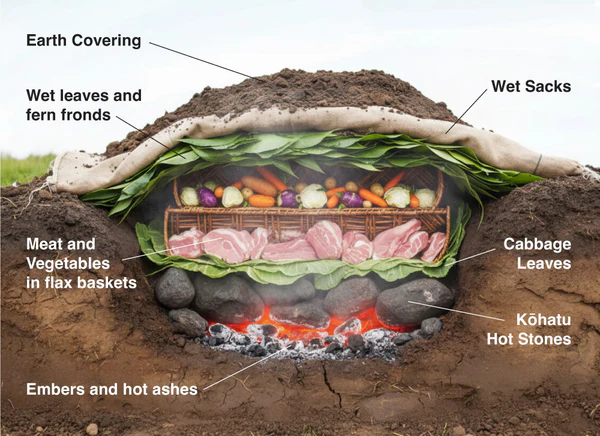
Hangi is a traditional Maori method of cooking food in an underground earth oven. Meat (typically lamb, pork or chicken) and root vegetables (kumara, potatoes, pumpkin) are wrapped and placed over heated stones in a pit, then covered with earth and left to slow-cook for several hours. The result is extraordinarily tender, smoky and unlike anything you have tasted before. Hangi is typically reserved for special occasions, cultural gatherings and family celebrations rather than everyday meals. Many British movers experience their first hangi at a Maori cultural event in Rotorua, where hangi feasts are offered as part of cultural experiences from around NZ $30 to $130 per person.
The meat pie
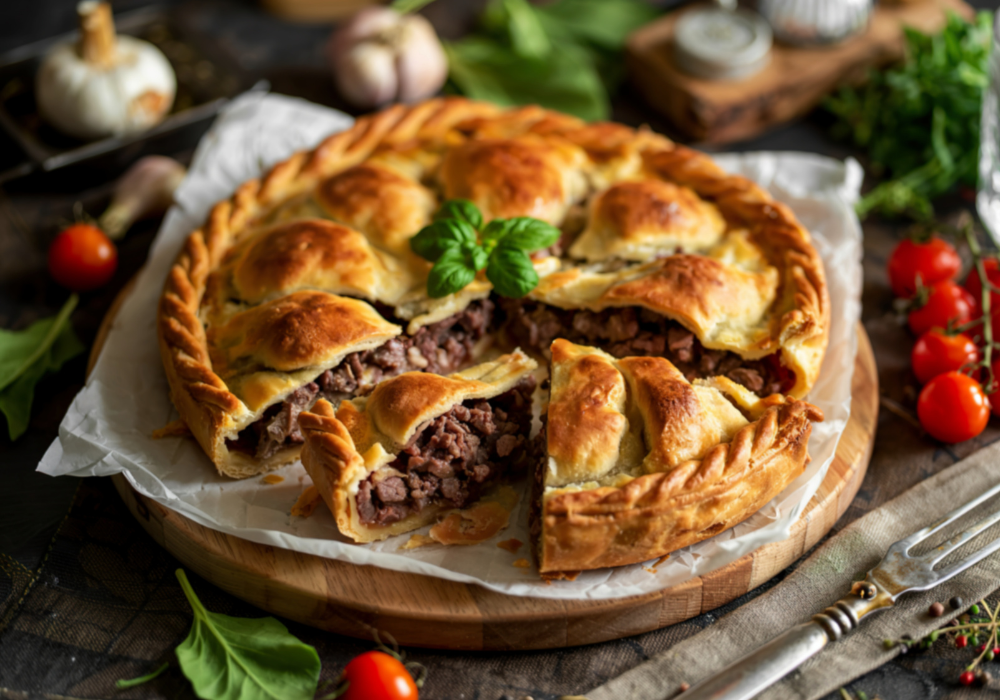
If New Zealand has a true national dish, it is the meat pie. Pies are everywhere: in bakeries, petrol stations, supermarkets, farmers’ markets and high-end restaurants. The classic fillings are mince and cheese, steak and cheese, and chicken. But New Zealand bakeries push the boundaries with venison, butter chicken, lamb and mint, smoked fish and even hangi-flavoured pies. The annual New Zealand Supreme Pie Awards are taken very seriously. A good bakery pie costs NZ $5 to $8, and the unwritten rule every Kiwi lives by is: always blow on the pie.
Pavlova
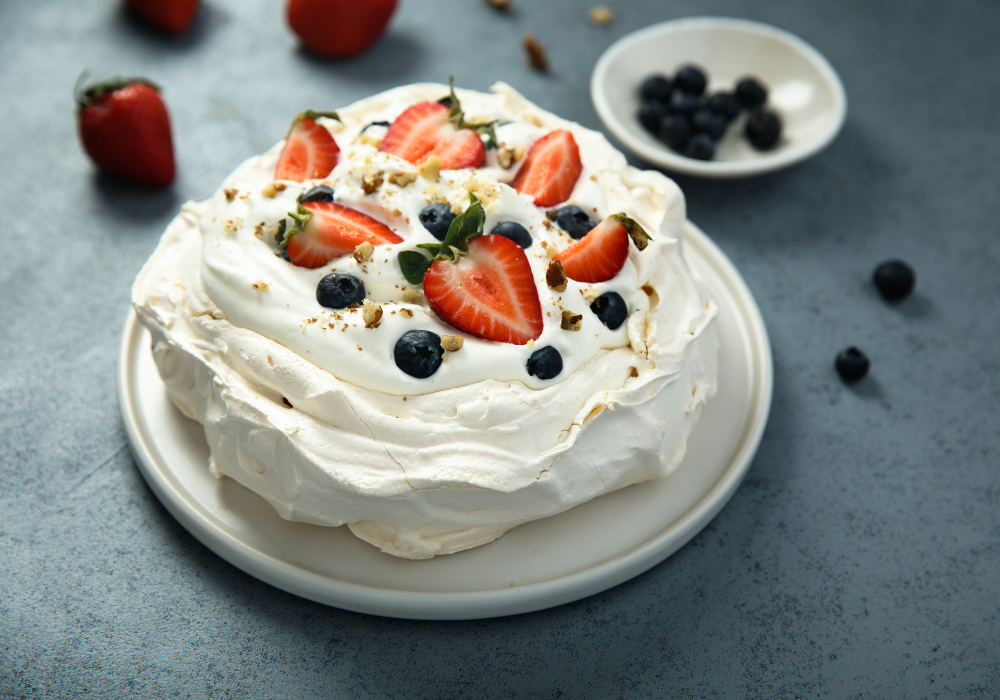
Pavlova is a meringue-based dessert with a crisp shell and a soft, marshmallow-like centre, piled high with whipped cream and fresh fruit. Kiwifruit, strawberries and passionfruit are the traditional toppings. Both New Zealand and Australia claim to have invented it, and the debate shows no signs of being resolved. What matters to you as a new arrival is that pavlova appears at virtually every Christmas dinner, birthday party and summer barbecue, and learning to make one well will earn you instant social currency.
Fish and chips
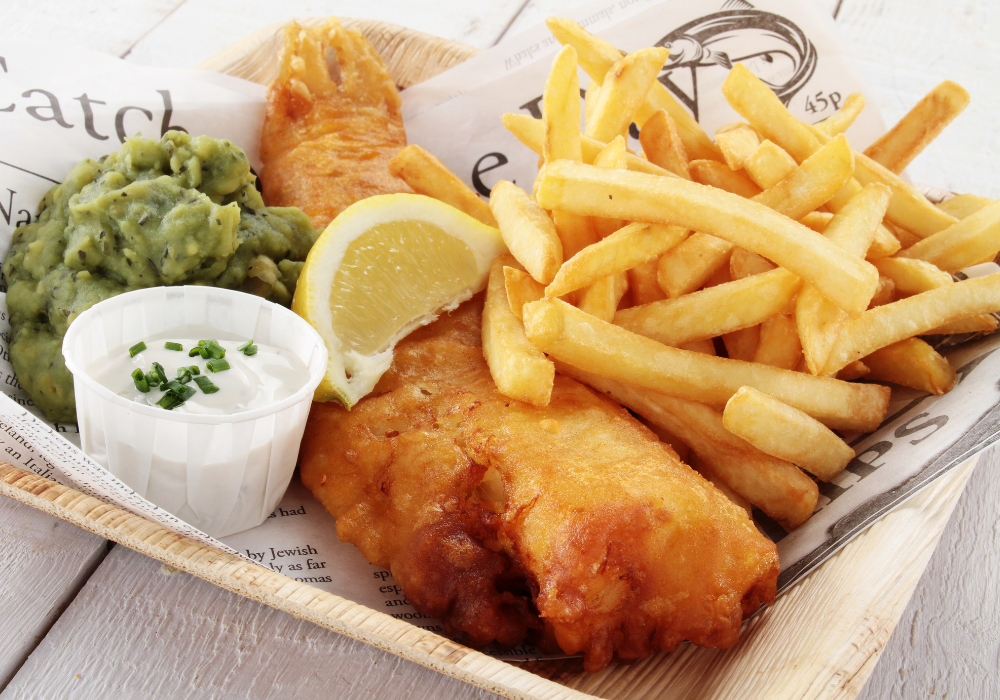
Fish and chips in New Zealand will feel instantly familiar, but with a few tweaks. The fish is often snapper, tarakihi or blue cod rather than cod or haddock. Kumara chips (sweet potato) are commonly offered alongside or instead of regular chips. And the Kiwi way to eat them is on the beach, straight from the paper, with a squeeze of lemon and a bottle of tomato sauce. Every coastal town has a favourite fish and chip shop, and finding yours is one of the small rituals of settling in.
Seafood
New Zealand’s 15,000 kilometres of coastline produce some of the best seafood in the world. Green-lipped mussels are a national speciality, farmed in the Marlborough Sounds and available fresh at supermarkets for NZ $8 to $14 per kilogram. Bluff oysters, harvested from the bottom of the South Island between March and August, are considered a delicacy. Crayfish (similar to lobster) is abundant in Kaikoura and along the east coast. And whitebait fritters, made from tiny transparent fish bound with egg and fried in butter, are a uniquely Kiwi dish that divides opinion but is worth trying at least once.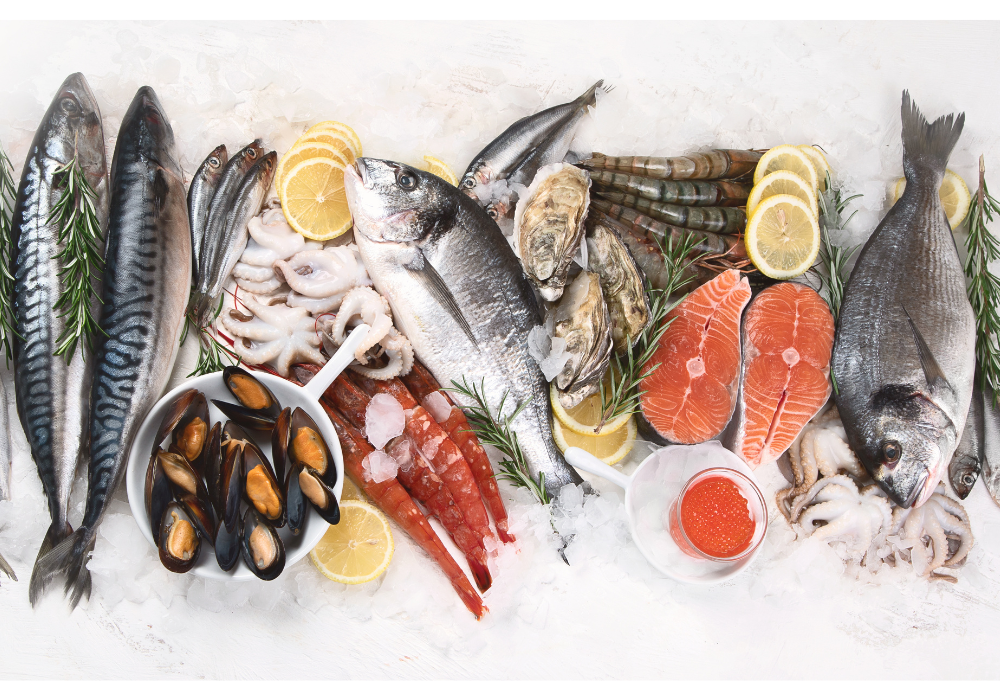
Other Kiwi favourites worth knowing about
| Food | What it is | Where to find it |
|---|---|---|
| Kumara | A sweet potato native to New Zealand, roasted, mashed or made into chips | Every supermarket and roast dinner |
| Hokey pokey ice cream | Vanilla ice cream with crunchy honeycomb toffee pieces | Supermarket freezer aisle; the best-selling flavour in NZ |
| ANZAC biscuits | Oat and coconut biscuits, traditionally baked for ANZAC Day | Bakeries, cafes and easy to make at home |
| Manuka honey | A thick, earthy honey with antibacterial properties from the manuka tree | Supermarkets and specialist shops; from NZ $15 to $80 per jar |
| Whittaker’s chocolate | New Zealand’s favourite chocolate brand, widely considered exceptional | Every supermarket; try the Peanut Slab and Creamy Milk |
| L&P | Lemon and Paeroa, a lemon-flavoured soft drink and Kiwi icon | Supermarkets and dairies (corner shops) |
| Pineapple Lumps | Pineapple-flavoured marshmallow chunks coated in chocolate | Supermarkets and dairies; a Kiwi childhood staple |
| Feijoa | A small green fruit with a sweet, aromatic flavour unique to NZ gardens | Supermarkets in season (March to June); neighbours will give you bags of them |
Grocery shopping: the supermarket landscape
New Zealand’s supermarket industry is dominated by two parent companies: Foodstuffs (which owns Pak’nSave, New World and Four Square) and Woolworths NZ (which operates Countdown, now rebranded as Woolworths). This limited competition has been identified by the Commerce Commission as a factor in higher food prices, though a 2025 comparison found that Pak’nSave was price-competitive with Aldi and Tesco when comparing like-for-like baskets.
Which supermarket to use
| Supermarket | Best for | Price level | What to expect |
|---|---|---|---|
| Pak’nSave | Weekly family shop, bulk staples, budget-conscious shopping | Lowest | No-frills warehouse style; you bag your own. Pams house brand is good value |
| Woolworths | Convenience, online shopping, wider product range | Mid-range | Most similar to a large UK Tesco or Sainsbury’s. Loyalty card offers small savings |
| New World | Premium products, quality deli and bakery counters | Higher | Feels more like Waitrose. Better range of specialty items and prepared foods |
| Four Square | Quick top-up shops in smaller towns | Highest | Small format convenience store; useful in rural areas where nothing else exists |
| Farmers’ markets | Fresh seasonal produce, artisan goods, local meat and cheese | Varies | Common in cities at weekends. Often better value for fruit, vegetables and eggs |
What groceries cost compared to the UK
Groceries in New Zealand are generally 10 to 20 per cent more expensive than in the UK, with some items significantly higher. Food prices rose 4.5 per cent in the year to February 2026, with meat up 7.5 per cent and fruit and vegetables up 9.4 per cent. The table below gives you a rough comparison to set expectations:
| Item | Typical NZ price (2026) | Rough UK equivalent | Notes |
|---|---|---|---|
| 2L standard milk | NZ $3.50 to $4.50 | Similar | NZ is a dairy-exporting nation; milk is reasonably priced |
| 500g butter | NZ $5.70 to $8.50 | 30 to 50% more | NZ exports most of its butter; domestic prices still high |
| 1kg beef mince | NZ $14 to $19 | 20 to 40% more | Meat prices rose sharply in 2025 and 2026 |
| Whole chicken | NZ $12 to $18 | 10 to 20% more | Free-range options are widely available |
| Loaf of bread | NZ $3 to $5 | Similar | Artisan and sourdough options are widely available |
| Dozen eggs (free-range) | NZ $8 to $11 | 30 to 50% more | Prices roughly doubled between 2022 and 2025 |
| Flat white coffee | NZ $5 to $7 | 20 to 30% more | Cafe culture is more established; quality is excellent |
| Casual dinner for two | NZ $80 to $130 | 20 to 40% more | Restaurant dining is noticeably more expensive than the UK |
British foods you will miss (and where to find them)
This is the section every British expat needs. Some UK staples are widely available in New Zealand; others are difficult or impossible to find. Here is the honest breakdown:
Easy to find
- Tea. Twinnings, Yorkshire Tea and PG Tips are stocked in most supermarkets, though at roughly double the UK price. Kiwis drink more coffee than tea, but you will not struggle to find a box of English Breakfast.
- Baked beans. Watties (the New Zealand equivalent of Heinz) is the dominant brand and tastes slightly different. Heinz beans appear in some stores but are treated as an import and priced accordingly.
- Marmite. New Zealand has its own version of Marmite, made by Sanitarium. It tastes different from UK Marmite, which is sweeter and thicker. Both versions are available, but NZ Marmite is much cheaper.
- Cheddar cheese. Excellent local cheddar is available everywhere. New Zealand’s dairy industry produces high-quality cheese at reasonable prices.
- Lamb. Better and more affordable than in the UK. You will eat more lamb here than you ever did at home.
Harder to find
- Proper British sausages. New Zealand sausages tend to be thicker, coarser and less herby than UK bangers. Some specialty butchers make British-style sausages, but they are not common in supermarkets.
- Black pudding. Available from some butchers but not widely stocked. If you love a full English, this will be the hardest component to source.
- Scotch eggs and pork pies. Rarely found outside British import shops. A genuine gap in the market.
- Specific UK chocolate and confectionery. Cadbury products exist but the range is limited and the recipes differ. If you have a favourite (Jaffa Cakes, Digestives, Terry’s Chocolate Orange), you may need to visit a British import shop or ask visitors to bring supplies.
- HP Sauce and Branston Pickle. Stocked in some larger supermarkets but not guaranteed. Import shops in Auckland and Wellington are your best bet.
| Shipping food to New Zealand: what the biosecurity rules allow
New Zealand’s biosecurity regime is one of the strictest in the world. You cannot ship fresh or unpackaged food, honey, meat, dairy or most plant-based products. Commercially packaged, sealed, shelf-stable items (tinned goods, dry goods, sealed confectionery) are generally permitted but must be declared and may be inspected. If you are thinking of packing a box of your favourite British treats, check the MPI (Ministry for Primary Industries) import requirements before you seal the carton. For full details on what you can and cannot ship, see our guide on shipping to New Zealand. |
Wine, beer and the drinks scene
If you enjoy wine, you are moving to one of the best wine-producing countries in the world. Marlborough Sauvignon Blanc is New Zealand’s most famous export and the quality of the bottles you can buy for NZ $12 to $20 in a supermarket will astonish you if you are used to paying the same for an average bottle in the UK. Central Otago Pinot Noir, Hawke’s Bay Syrah and Waiheke Island red blends are all worth exploring once you arrive.
The craft beer scene is thriving, with small breweries in almost every town. Garage Project (Wellington), Panhead (Upper Hutt) and Epic (Auckland) are among the most popular, though you will quickly discover your own local favourites. A pint in a bar costs NZ $10 to $14, which is broadly similar to London prices. Supermarket beer is slightly more expensive than the UK but the quality and range of local craft options is outstanding.
One difference to be aware of: alcohol can only be sold in licensed premises. Supermarkets do sell beer and wine, but spirits are only available from dedicated bottle shops (called liquor stores or bottle-os). There are no off-licence sections in corner shops or petrol stations.
Eating out in New Zealand
New Zealand’s restaurant scene has developed rapidly over the past decade, particularly in Auckland and Wellington. Auckland offers genuinely world-class dining across a huge range of cuisines, from fine-dining New Zealand fusion through to outstanding Thai, Japanese, Korean, Indian and Malaysian restaurants. Wellington is famous for its density of restaurants and cafes per capita, and its food scene punches well above its weight for a city of just over 200,000.
Tipping is not expected or standard in New Zealand. Hospitality workers are paid a living wage, and while you are welcome to leave a tip for exceptional service, there is no obligation and no awkward calculation at the end of the meal. This is one cultural difference British movers consistently appreciate.
What a meal out typically costs
- Cafe brunch for two: NZ $40 to $60.
- Lunch (casual restaurant or food court): NZ $15 to $25 per person.
- Dinner for two (mid-range, two courses, no wine): NZ $70 to $100.
- Dinner for two with a bottle of wine: NZ $100 to $160.
- Takeaway meal (fish and chips, pizza, Thai): NZ $15 to $30 per person.
- Meat pie from a bakery: NZ $5 to $8.
Seven tips for settling into New Zealand’s food scene
- Do your main shop at Pak’nSave. The savings are real and consistent. Use New World or Countdown for specialty items and top-ups only.
- Find your local farmers’ market. Most cities run weekend markets with fresh produce, bread, cheese, honey and meat at prices that often beat the supermarkets. They are also excellent for meeting people in your new community.
- Buy seasonal produce. New Zealand’s climate produces exceptional stone fruit in summer, citrus in winter and root vegetables year-round. Out-of-season produce is two to three times the price and noticeably lower in quality.
- Try kumara in everything. Roasted, mashed, in soup, as chips, in a pie. It is one of the best and most versatile vegetables you will encounter, and it appears on almost every restaurant menu.
- Learn to love the flat white. Even if you are a tea drinker at home, give it a chance. New Zealand cafe culture is built around it, and the quality is consistently excellent.
- Ship your favourite kitchen items. Your good knives, your cast-iron pan, your stand mixer. Quality kitchen equipment is expensive to replace in New Zealand. Your Anglo Pacific shipment is the most cost-effective way to bring them.
- Accept that some things will be different. The sausages are different. The bacon is cut differently. Marmite tastes different. These are small adjustments, and the things you gain, particularly the quality of the lamb, seafood, dairy and produce, more than make up for them.
If you are planning your move and want to discuss what kitchen items are worth shipping and what to leave behind, our New Zealand shipping team can walk you through it as part of a free survey. And for a full guide to plugs, voltage and which appliances to bring, see our piece on using UK appliances in Australia and New Zealand.
Frequently asked questions
1. Are groceries more expensive in New Zealand than in the UK?
Yes, on average 10 to 20 per cent more expensive. Meat, eggs and fresh produce have seen the sharpest increases. Shopping at Pak’nSave, buying seasonal produce and using farmers’ markets are the most effective ways to manage the difference.
2. What is the best supermarket in New Zealand?
Pak’nSave is consistently the cheapest for a standard weekly shop. New World offers a wider premium range and better deli counters. Countdown (Woolworths NZ) sits in the middle and has the strongest online shopping platform.
3. Can I buy British food in New Zealand?
Many British staples, including tea, baked beans, Marmite, cheddar and Cadbury products, are available in New Zealand supermarkets. For harder-to-find items like black pudding, pork pies and specific UK brands, British import shops in Auckland and Wellington are your best bet.
4. What is a hangi?
Hangi is a traditional Maori cooking method where meat and vegetables are slow-cooked in an underground earth oven over heated stones. It produces extraordinarily tender, smoky food and is typically served at cultural events, family gatherings and celebrations.
5. Is tipping expected in New Zealand restaurants?
No. Tipping is not expected or standard in New Zealand. Hospitality workers are paid a living wage. You are welcome to leave a tip for exceptional service, but there is no obligation.
6. Can I ship food from the UK to New Zealand?
You can ship commercially packaged, sealed, shelf-stable items such as tinned goods, dry goods and sealed confectionery. Fresh food, meat, dairy, honey and most plant-based products are prohibited under New Zealand’s strict biosecurity rules. All food items must be declared and may be inspected.
7. What is the Kiwi national dish?
There is no officially declared national dish, but the meat pie is arguably the closest contender for everyday eating, while pavlova holds the title for celebrations. Hangi is the most culturally significant traditional cooking method.


